W10 Climbs Mount Kilimanjaro
Mount Kilimanjaro, the highest mountain in Africa, attracts many walkers because it can be climbed without technical climbing skills. That does not make it easy. This guide is general preparation advice for anyone considering a Kilimanjaro trek, and it does not describe any personal expedition. Find more articles on the W10 Performance home page.
Why Climb Kilimanjaro? An Overview
The appeal of a Kilimanjaro trek is the combination of a clear goal, varied landscapes and the sense of achievement. The route passes through several climate zones, from forest to moorland and alpine desert, before reaching the high summit area.
It is a walk, not a technical climb, but it is long and high. Days are tiring, nights are cold and the altitude affects everyone. Understanding these facts is the first step in preparing realistically.
Choosing the Right Route
There are several established routes, differing in length, scenery, crowding and how gradually they gain height. Longer itineraries generally give the body more time to adjust to altitude, which many guidance sources consider an advantage for comfort and success.
Check the current route options and park requirements with a reputable operator before deciding, since details can change. Choose a route based on your fitness, time available and tolerance for basic camping or hut conditions.
Physical Preparation and Training
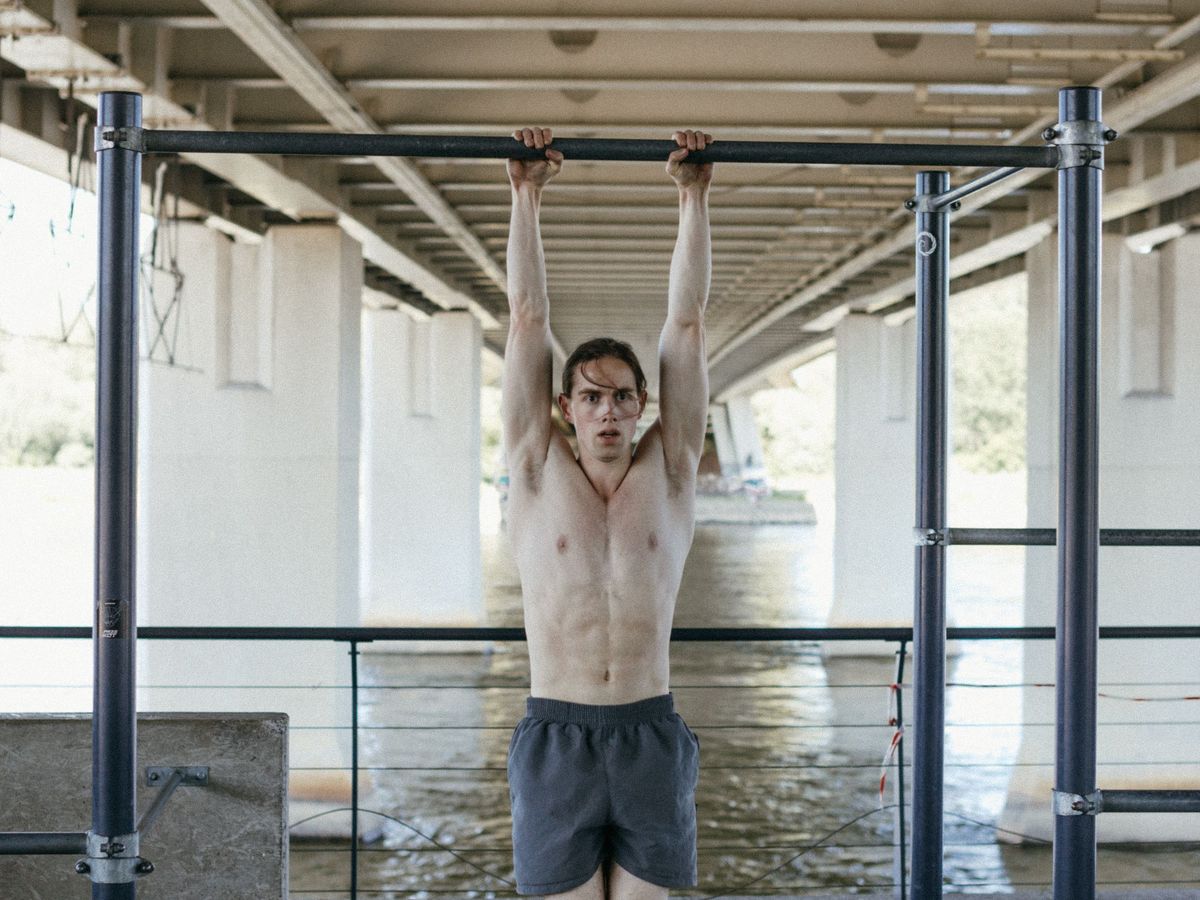
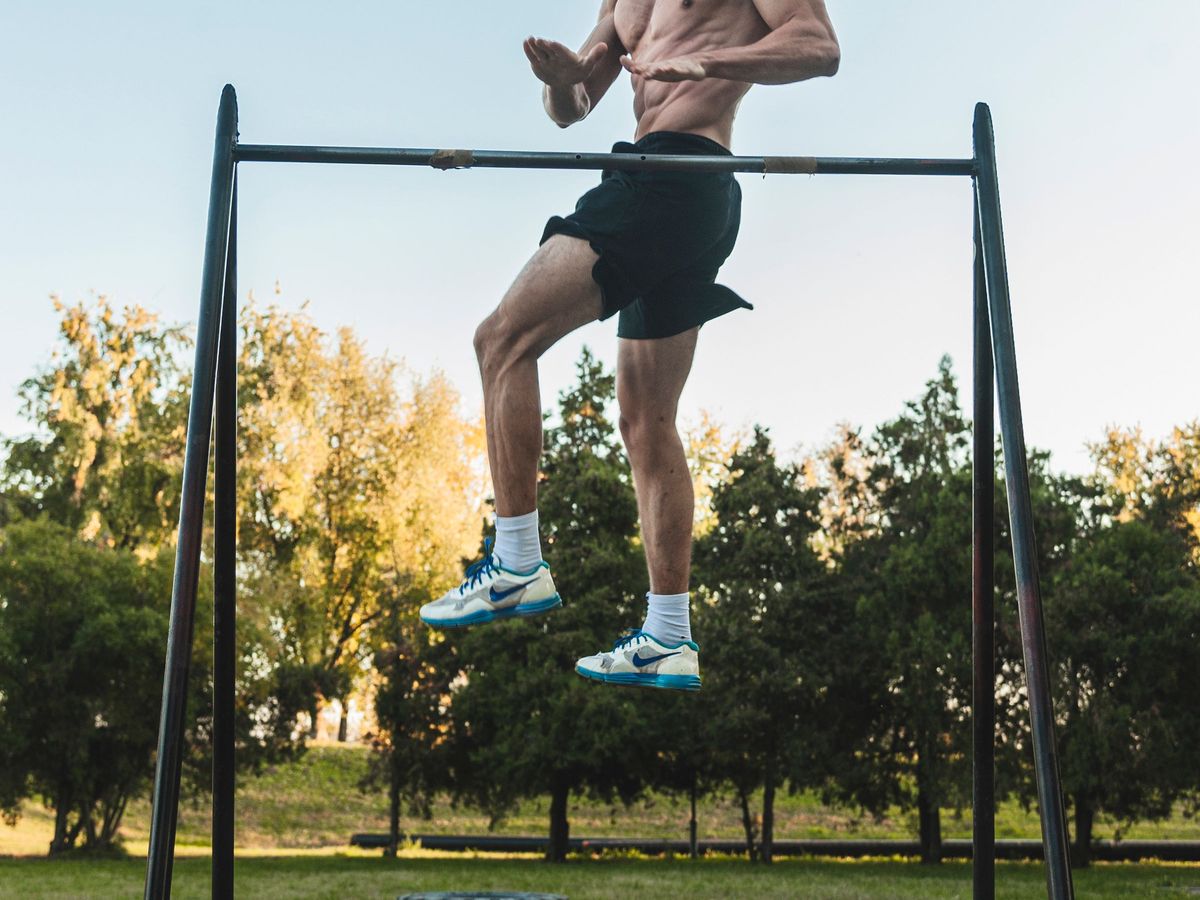
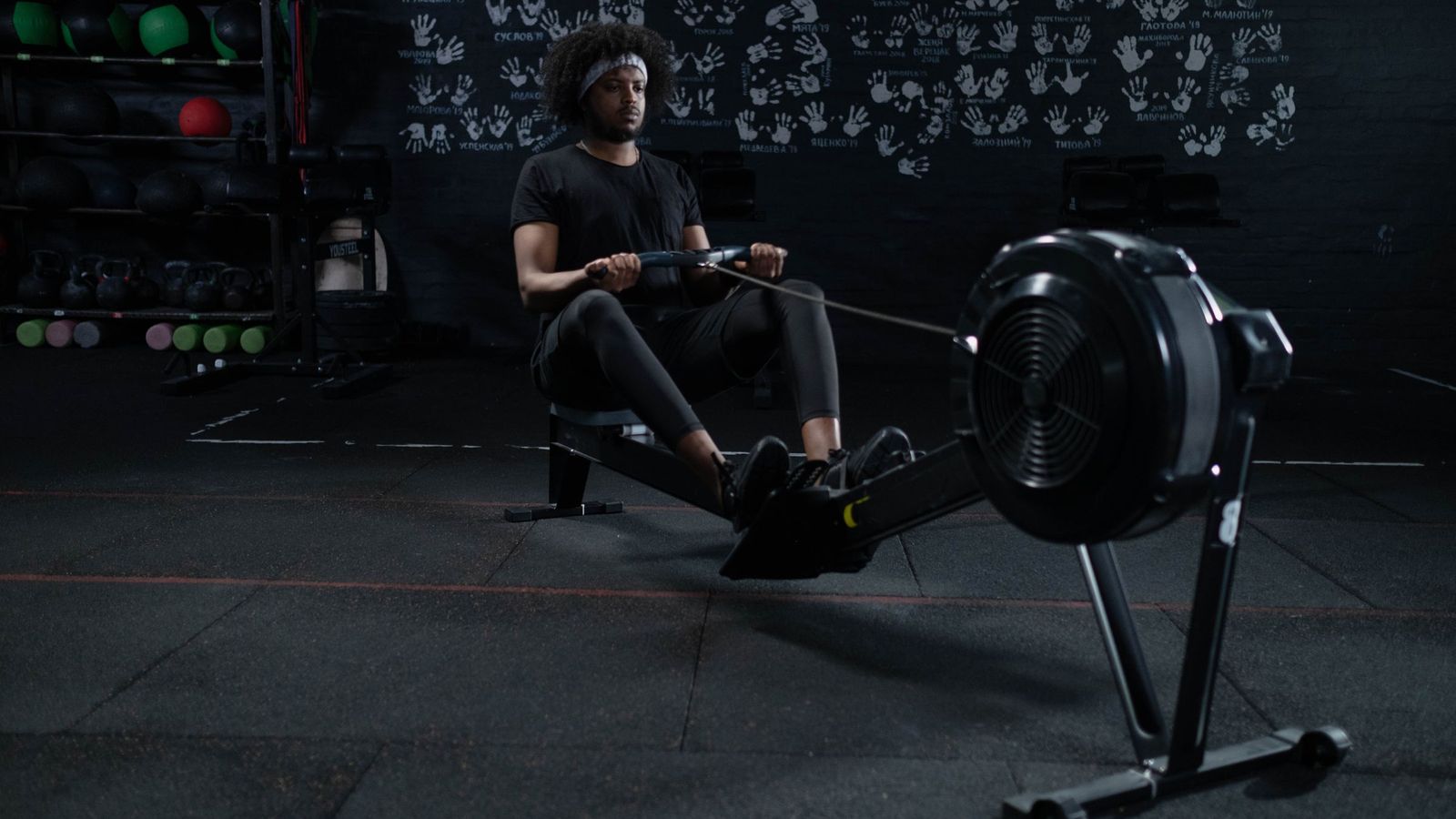
Preparation should build endurance and leg strength. Long walks on hills, ideally carrying a small pack, are the most specific training. Add stairs, cycling or jogging for aerobic fitness, and strength work such as squats, lunges, step-ups and calf raises.
Start months in advance and increase duration gradually, with a few back-to-back long days to simulate trek fatigue. Practise in the boots you will wear. Check with a doctor before the trip, especially if you have a heart, lung or other health condition.
Gear and Packing Essentials
Layering is the key. Pack moisture-wicking base layers, insulating mid layers, a windproof and waterproof shell, warm hat and gloves, sun protection and broken-in walking boots. A sleeping bag suited to cold temperatures and trekking poles are commonly recommended.
Keep the load sensible, since porters and baggage limits apply with most operators. Bring a refillable water system, a headlamp and any personal medicines. Ask your operator for a current packing list rather than relying on a generic one.
Altitude Sickness: Prevention and Management
Altitude sickness can affect fit and unfit people alike. Common symptoms include headache, nausea, dizziness and poor sleep. The best prevention is a slow ascent, staying hydrated, eating enough and walking at a gentle pace, often summed up as going slowly.
If symptoms worsen, the safe response is to stop climbing and descend, and to tell your guide. Discuss altitude with a doctor or travel health clinic before departure, including any medication options. This article is general information, not medical advice.
What to Expect on the Climb
Days usually begin early with breakfast and a steady walk, with rests and lunch en route. Camps are simple, nights are cold and sleep can be light. The summit day is the hardest, often starting in the middle of the night and involving a long, cold ascent and a long descent.
Weather changes quickly, and the pace is deliberately slow. Mental resilience matters as much as fitness. Keep going one step at a time, eat and drink regularly and be ready to turn back if safety requires it.
Post-Climb Recovery and Reflections
After descent, expect tired legs, dry skin and a big appetite. Rest, eat well, drink water and walk gently to ease stiffness. Allow a few days before returning to hard training, and see a doctor if you feel unwell.
Many trekkers find the experience prompts new goals. Use it to plan your next training block, whether a new trek or a strength target. If you would like us to cover a related topic, reach us through the contact page.
Frequently asked questions
How difficult is it to climb Kilimanjaro?
It is not technical, but it is physically and mentally demanding because of the length, cold and altitude. Good preparation and a gradual itinerary improve comfort. Fitness alone does not guarantee success, since altitude affects people differently.
Do I need a guide to climb Kilimanjaro?
Park rules currently require trekkers to be accompanied by licensed guides, but you should confirm the latest requirements with an official source or operator. A guide also provides safety knowledge and monitors altitude symptoms. Rules can change, so check before you go.
What is the best time of year to climb?
Many people prefer the drier periods of the year, when paths are clearer and skies are more stable. Weather is never guaranteed on a high mountain. Ask your operator for current seasonal advice.
Checklist
- Check the current routes and the requirements for climbing.
- Confirm the information on altitude sickness and its prevention.
- Make sure the preparation advice is realistic.