Training Programs and Progress Tracking
Good results rarely come from random workouts. They come from training programs that make sense, from sessions you can repeat and from a simple record of what you did. This page brings together the core ideas behind planning and progress tracking, including the way group fitness training programs differ from solo plans. It is general guidance for readers; if you have a medical condition or an injury, check with a doctor before starting a new programme.
Understanding Training Programs
A training program is a plan that tells you what to do, how much to do and in what order across several weeks. A good one has a clear goal, such as building strength, improving endurance or losing body fat, and it organises exercises, sets, repetitions and rest to serve that goal. Most programs also include a way to increase difficulty over time, known as progressive overload: slightly more weight, more repetitions, more sets or better control.
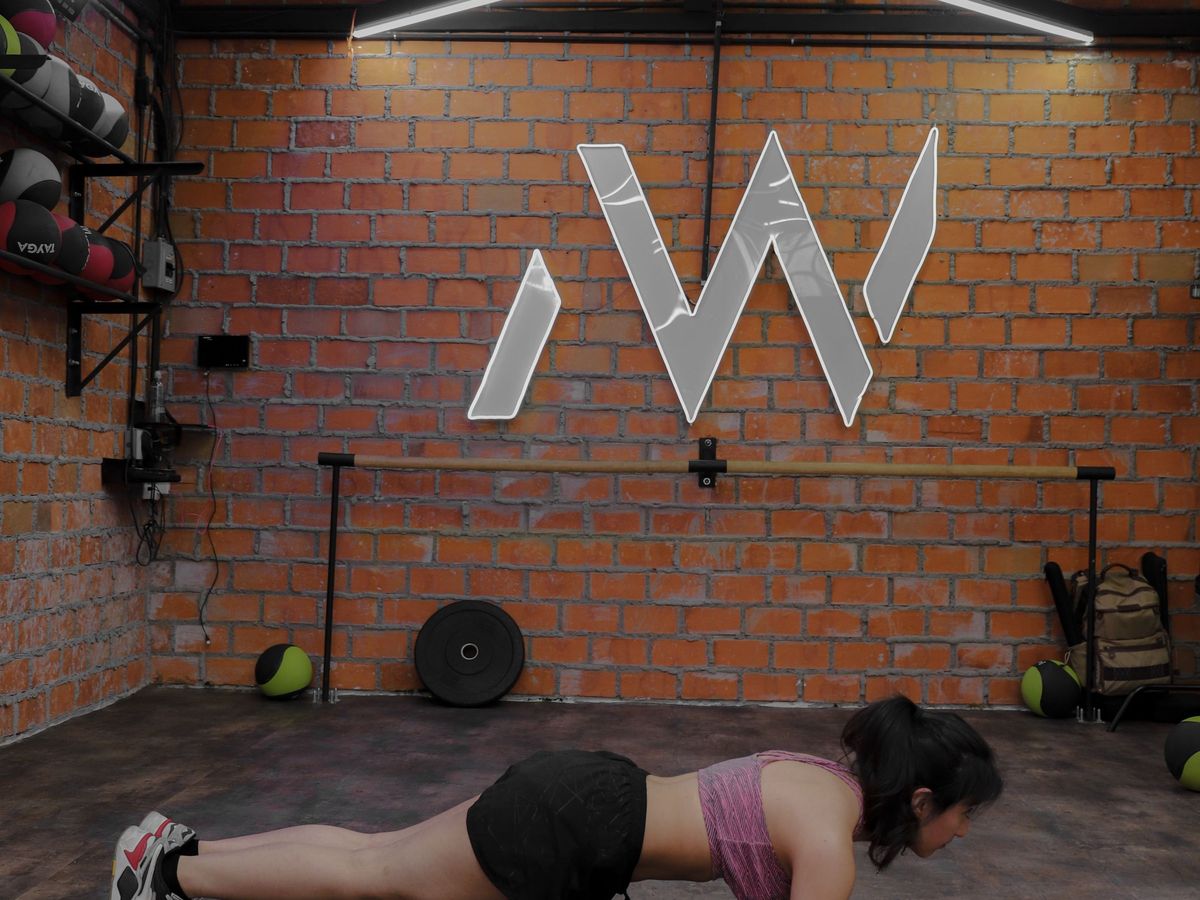
Common structures include full-body sessions two to three times a week, upper and lower splits across four days, and push, pull and legs arrangements. Group fitness training programs, such as a series of classes with a fixed format, offer structure and company, though the intensity may not be adjustable to the individual. When comparing options, ask whether the plan matches your goal, fits your schedule and allows for recovery. Our overview of how to get started shows how a beginner can apply these ideas.
How to Track Your Progress
Progress tracking turns vague impressions into evidence. The simplest method is a training log that records the date, exercises, weights, sets and repetitions. Over time you can see whether numbers are creeping up. Add one or two other markers: bodyweight measured at the same time of day each week, a waist measurement every few weeks, photos in consistent lighting, or a performance test such as how many push-ups you can do with good form.
Do not rely on one number. Bodyweight fluctuates with food, water and sleep, so look at a trend across several weeks. Notes about energy, mood and sleep are useful too, because they explain why some sessions feel better than others.
Essential Exercise Guides
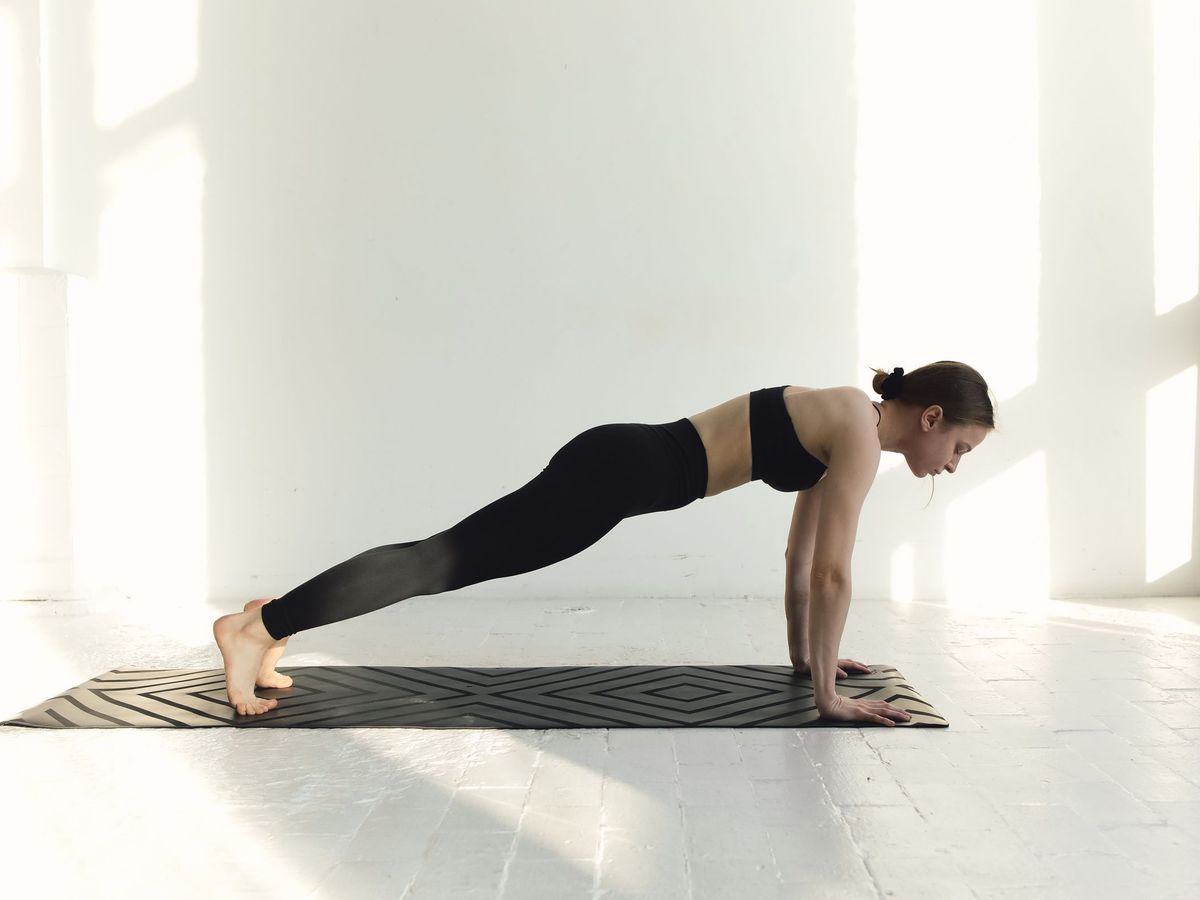
Most programs are built from a few movement patterns. The squat trains the legs and hips. The hinge, such as a Romanian deadlift, trains the hamstrings, glutes and back. Presses, both horizontal and overhead, train the chest, shoulders and triceps. Rows and pulldowns train the upper back and biceps. Carries and planks train the trunk. Learn each pattern with light weights, keep your spine in a neutral position, and move through a range you can control.
Technique cues are simple: brace your midsection, keep your feet planted, move at a steady pace and breathe. If you cannot perform a movement without discomfort, use a simpler variation instead of forcing it.
Planning Your Weekly Schedule
Begin by choosing how many days you can realistically train. Three well-attended sessions beat five that you skip. Space hard sessions so you have rest between working the same muscle groups. A sample week might be full-body on Monday, Wednesday and Friday, with easy walking or mobility on other days. If you add cardio, keep some of it gentle so it supports recovery.
Treat the schedule like an appointment with yourself but leave some flexibility. When a busy week arrives, a shortened session of the key lifts is better than nothing. Review the plan every four to eight weeks and adjust.
Nutrition for Active Members
Food supports every goal. Most active adults do well with regular meals that include a protein source, plenty of vegetables and fruit, whole-grain or other carbohydrate foods, and sources of healthy fat. Drink water through the day. A common guideline for people who train regularly is to spread protein across meals rather than leave it all for dinner. You can explore this topic further in our guide to community support and habits, which helps keep eating routines realistic.
Recovery and Injury Prevention
Muscles and connective tissues adapt during rest, not during the workout. Most adults benefit from seven to nine hours of sleep, at least one or two lighter days a week and a gradual increase in training load. Warm up before sessions, use controlled technique and avoid adding weight or volume too quickly. Pay attention to warning signs such as sharp pain, joint swelling or soreness that lasts many days. If they appear, reduce intensity and consult a doctor or physiotherapist.
Member Success Stories
Stories of other people's progress can be motivating, but they are best used carefully. Rather than treating anyone's result as a promise, look at the habits behind it: regular sessions, patient progression, enough food and sleep. Your own timeline will differ. A healthy way to create your own success story is to record your starting point, choose a modest goal and review it every month. Celebrate non-scale wins such as sleeping better, climbing stairs more easily or finishing a session you used to avoid. If you want to know why we publish guidance rather than individual testimonials, read our story.
Frequently asked questions
What is the best way to track workouts?
The best way is the one you will actually use. A notebook or phone note with date, exercises, weights, sets and repetitions is enough for most people. Review it every few weeks to see trends.
How do I choose a training program?
Choose a program that matches your goal, your experience and the days you can truly train. Look for gradual progression, balanced exercise selection and time for recovery. Avoid plans that promise extreme results quickly.
What should I eat before and after training?
Before training, many people feel good with a light meal or snack that contains carbohydrate and a little protein, eaten one to three hours earlier. Afterwards, a meal with protein and carbohydrate supports recovery. Individual needs vary, so adjust to what feels comfortable and consult a professional if you have dietary conditions.