Train Around Lower Back Pain

Lower back pain is common, and it does not always mean you must stop training. In many cases, staying active in a sensible way is part of looking after the back. This guide explains the basics, the warning signs and how to adjust your gym work. It is general information and does not replace medical advice. More guides are on the W10 Performance home page.
Understanding Lower Back Pain: Causes and Types
Most lower back pain is described as non-specific, meaning no single structural cause is found. It can follow a long period of sitting, a sudden increase in training, poor lifting habits, stress or poor sleep. Some pain is short-lived and eases within days or weeks; other pain returns repeatedly.
Back pain due to gym sessions often appears after heavy hinging or squatting with fatigue and loss of bracing. Pain can feel like stiffness, a dull ache or a sharp catch. Pain that travels into the leg, or comes with other symptoms, should be assessed by a professional.
When to See a Doctor: Red Flags
Seek medical advice promptly if back pain follows a significant fall or accident, or comes with numbness around the groin or genitals, loss of bladder or bowel control, weakness in a leg, fever, unexplained weight loss or severe night pain. These signs need urgent assessment.
Also see a doctor if pain is severe, does not improve after a couple of weeks or keeps returning. A healthcare professional can identify the cause and advise what is safe. Do not rely on an article to diagnose a back problem.
Safe Exercises for Lower Back Pain
For many people, gentle movement is helpful: walking, pelvic tilts, cat-camel mobility, glute bridges, bird dogs and supported hip hinges with light weight. These movements train the hips and trunk without heavy spinal loading. Start with small ranges and stay within comfortable limits.
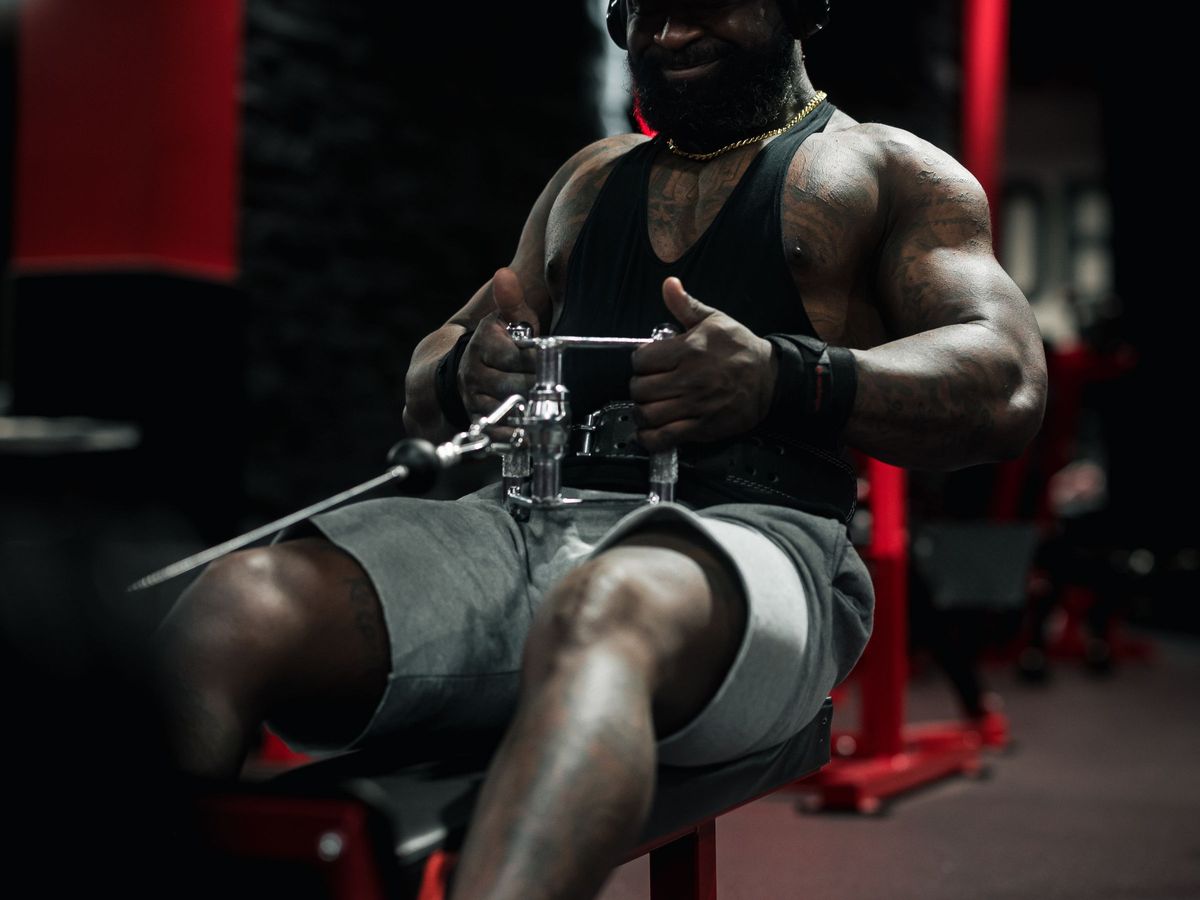
Lower back exercises gym routines can also include seated rows, lat pulldowns, leg presses and machine-based moves that keep the torso supported. Choose those that do not aggravate the pain, and progress slowly. Mild discomfort that settles quickly is different from pain that worsens.
Exercises to Avoid with Lower Back Pain
During a flare-up, it is often wise to pause heavy deadlifts, loaded good mornings, barbell squats, sit-ups with a rounded spine and high-impact movements. Twisting under load and heavy overhead pressing with an arched back can also be uncomfortable.
These are not forbidden forever. They are simply less suitable while pain is high. Return to them gradually, with lighter weights and good form, once symptoms settle and a professional agrees. Never push through sharp pain.
Building Core Strength to Support Your Back
A strong trunk helps the spine stay stable during daily tasks and lifts. Useful options include dead bugs, side planks, bird dogs, carries and anti-rotation presses. They teach you to brace without bending the spine.
The hips matter too. Strong glutes and hamstrings share the load with the lower back, so bridges and hip hinges with control are valuable. Consistency matters more than intensity: a few short sessions each week often beat a single hard one.
Modifying Your Workout Routine
Adjusting a routine can keep you training. Reduce weights, shorten the range of motion, swap free-weight exercises for supported ones, and shorten sessions. Add rest between sets and avoid training to failure on lifts that stress the back.
Warm up thoroughly and pay attention to how you feel the next day. If a change makes pain worse, go back a step. You can also share what topics would help you through the contact page.
Preventing Future Back Pain
Prevention is a mix of regular movement, varied posture, strength work and recovery. Break up long sitting periods, sleep well and manage stress where you can. Keep the load progression gradual and maintain good form when tired.
Keep a healthy body weight and stay active in ways you enjoy, such as walking or swimming. If back pain returns often, ask a physiotherapist for a personalised plan.
Frequently asked questions
Can I still workout with lower back pain?
Often yes, with adjustments, as long as no red flag signs are present. Choose gentle, comfortable movements and avoid exercises that provoke sharp pain. If unsure, check with a doctor or physiotherapist first.
What exercises are best for lower back pain?
Walking, bridges, bird dogs, dead bugs and supported rows are commonly used because they are low-risk. The best choice depends on the person and the cause of the pain. A professional can tailor the selection.
How long does it take to recover from lower back pain?
Many episodes improve within a few weeks, but recovery time varies widely. Pain that lasts longer, recurs or comes with other symptoms should be assessed. Staying gently active generally supports recovery.
Checklist
- Check the medical guidance on training with lower back pain.
- Confirm which exercises are safe and which should be avoided.
- Make clear that the information does not replace a doctor's advice.