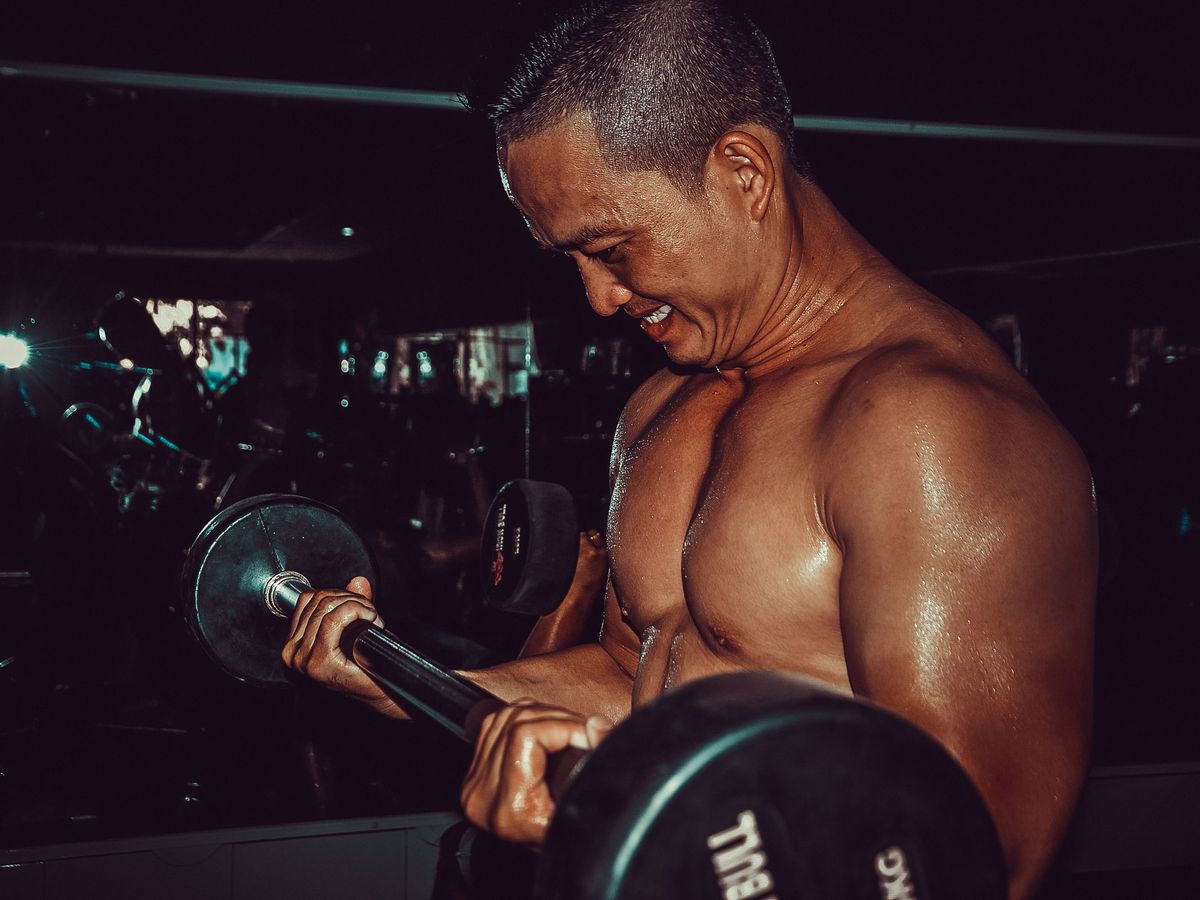
Shoulder Workouts: 4 Exercises with Weights
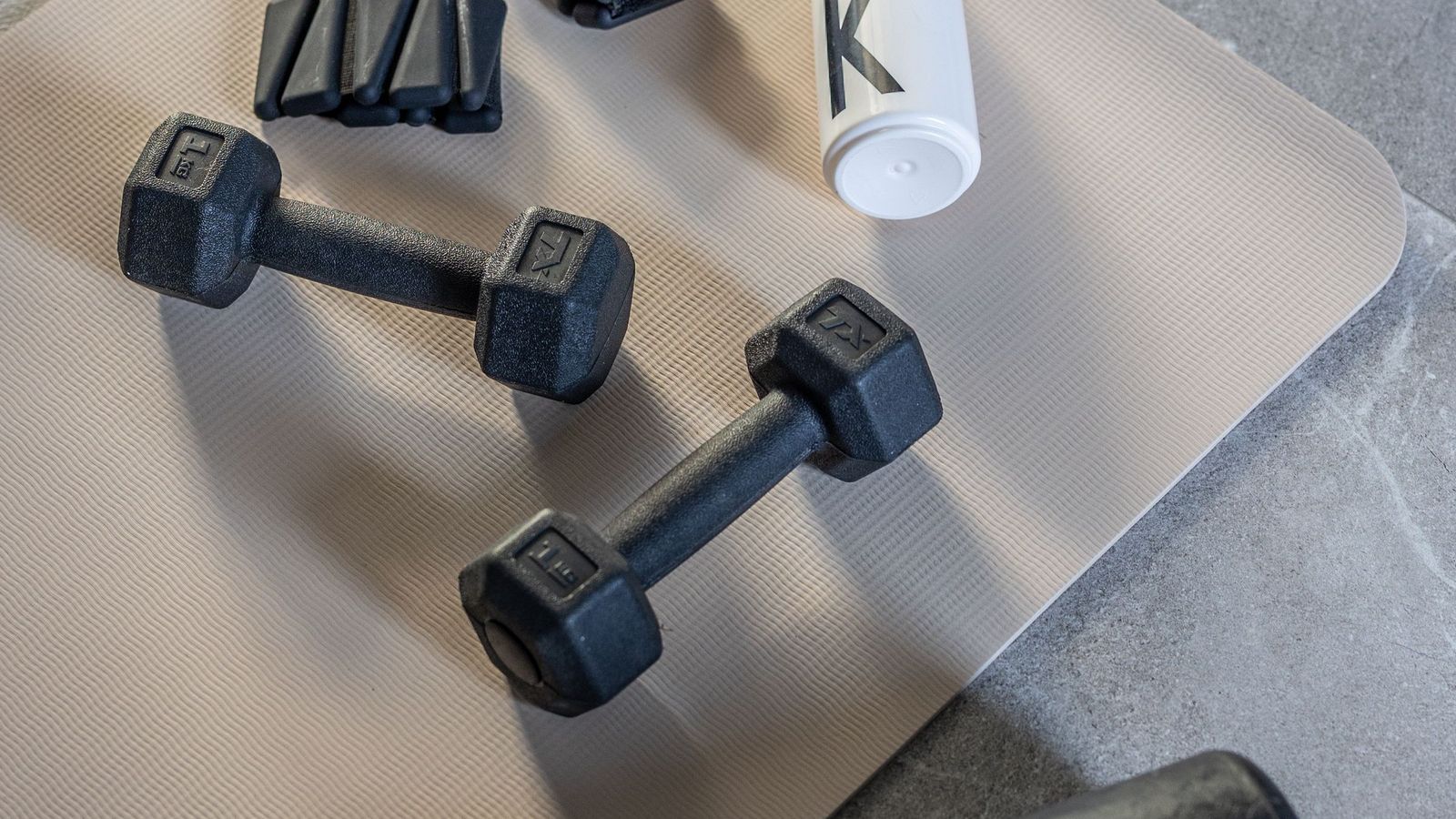
Shoulders do a lot of quiet work. They help you press, pull, carry and reach, and they frame the upper body. This guide covers a simple dumbbell shoulder workout built on four moves, with technique cues and a sample session. For more articles like it, return to the W10 Performance magazine home page.
Why Strong Shoulders Matter
The shoulder is the most mobile joint in the body, which makes it useful and also easy to irritate. Strength in the surrounding muscles keeps the joint steady when you lift a bag overhead, push a door or hold a plank. A well-built dumbbell shoulder workout trains the three heads of the deltoid, the front, side and rear, so that no part falls behind.
Balanced shoulders also support posture. Many people spend the day leaning forward, and the rear of the shoulder rarely gets enough work. Including a pulling-type movement next to the pressing ones is a sensible habit, whether you train at home or choose shoulder exercises at gym equipment.
Exercise 1: Overhead Press
The dumbbell overhead press is the main strength builder of this routine. Stand or sit with a dumbbell in each hand at shoulder height, palms facing forward or slightly inward. Press the weights up until your arms are straight above your shoulders, then lower them under control. Keep your ribs down and your glutes tight so the lower back does not arch.
Choose a weight that lets you finish every repetition with a steady bar path. A common starting point is two or three sets of eight to twelve repetitions. If you can only reach the top by leaning back, the weight is too heavy for now.
Exercise 2: Lateral Raises
Lateral raises target the side of the shoulder, which gives the upper body its width. Hold light dumbbells at your sides, with a slight bend in the elbows. Lift your arms out to the side until they reach about shoulder height, pause briefly and lower slowly. Think of leading with the elbows rather than the hands.
This is a move where lighter is usually better. Swinging heavy weights shifts the effort to the neck and upper back. Twelve to fifteen smooth repetitions with a weight you can control are more useful than a few messy heavy ones.
Exercise 3: Front Raises
Front raises work the front of the shoulder, which already gets a lot of help from pressing and chest exercises. Hold the dumbbells in front of your thighs and raise them forward to about eye level with straight but not locked arms. Lower them slowly and avoid using momentum from the hips.
Because the front deltoid is trained during most pressing, many lifters keep this exercise short, perhaps two sets. You can also raise one arm at a time, which makes it easier to notice if you lean or twist.
Exercise 4: Rear Delt Flyes
Rear delt flyes cover the part of the shoulder that is most often neglected. Hinge forward at the hips with a flat back, let the dumbbells hang below your chest and lift them out to the sides, squeezing the shoulder blades gently together. Lower with control. Light weights and a slow tempo work best here.
If bending over feels uncomfortable, you can rest your chest on an incline bench or perform the move seated while leaning forward. The aim is to feel the back of the shoulders working, not the lower back.
Putting It All Together: A Sample Shoulder Workout
A balanced session might begin with a short warm-up of arm circles and light band pulls. Then perform the overhead press for three sets of eight to twelve, lateral raises for two or three sets of twelve to fifteen, rear delt flyes for two or three sets of twelve to fifteen, and front raises for two sets if you want extra volume. Rest roughly one to two minutes between sets.
When all sets feel manageable with good form, add a small amount of weight or one more repetition. This is progressive overload applied slowly. A shoulder workout for beginners can start with just two of the four exercises and add the others over a few weeks. Pair it with a message to the editorial team if you want to suggest a topic for a future guide.
Tips for Safe and Effective Shoulder Training
Warm up the joint before loading it, keep the weights moderate and stop sets when form slips. Avoid pushing through sharp or pinching pain. Leave at least a day between hard shoulder sessions, since the joint is also used in chest and back training. Sleep, enough protein and regular rest days all help the muscles adapt.
This article is general information and not medical advice. If you have had a shoulder injury or have a health condition, speak with a doctor or qualified physiotherapist before starting a new programme.
Frequently asked questions
How often should I train shoulders?
Most people do well with direct shoulder work once or twice a week, spread by at least two days. The shoulders also receive work from chest and back exercises, so more is not always better. Increase frequency only if your recovery and technique stay good.
Can I do these exercises at home with dumbbells?
Yes. All four moves need only a pair of dumbbells, or even filled water bottles at the start. Adjustable dumbbells make progression easier, but small increases in repetitions also count as progress.
What should I do if I feel shoulder pain during these exercises?
Stop the exercise, lower the weight or reduce the range of motion and check your technique. Mild muscle fatigue is normal, but sharp, pinching or lasting pain is not. If it continues, consult a doctor or physiotherapist rather than training through it.
Checklist
- Check the technique of each exercise in a mirror or on video before adding weight.
- Confirm the number of sets and repetitions suits your level, starting with two or three sets.
- Make sure the exercises are safe for your shoulders, and ask a professional if you have had problems.