Jeans Challenge Success Story
A jeans challenge is a personal goal where you aim to fit comfortably into a favourite pair of jeans after a set period of healthier eating and regular exercise. It works because it replaces an abstract target with something concrete and measurable. This page does not tell the story of any particular person. Instead, it offers editorial guidance for planning your own fitness challenge success. For the wider context of the magazine, see about this magazine.
What Is the Jeans Challenge?
The idea is simple: choose a pair of jeans that is slightly snug, set a deadline and work towards fitting them with ease. Because clothes respond to waist and hip measurements rather than only body weight, it can be more motivating than watching the scale. It also takes account of muscle gain, which can change size without changing weight.
Select a pair that is realistic. Jeans that are three sizes too small set you up for disappointment, while a pair that is just a little tight gives you achievable progress. Treat the challenge as a positive project, never as a punishment for your body.
How the Challenge Works: Rules and Timeline
A sensible timeline is eight to twelve weeks. In the first week, take baseline measurements of your waist, hips and thighs, take a photo and try on the jeans. Then plan three weekly workouts, daily walking and a few simple food habits.
Check in every two weeks rather than daily. Try on the jeans only at those points. Keep rules few and clear, such as no skipped breakfasts, vegetables with two meals, and a bedtime routine. Too many rules make a challenge hard to follow.
Realistic Expectations: What Results to Aim For
Changes in body shape take time and differ widely between people. A gradual rate of fat loss, commonly about half to one kilogram per week at most, is considered sensible, and many people lose slower than that. Measurements may change before the scale does, especially when you start strength training.
We cannot promise a particular outcome, because age, genetics, sleep, stress, health conditions and starting point all influence results. Focus on habits you control and measure progress by several markers: how clothes fit, energy, strength and mood.
Nutrition Strategies for the Challenge
Use simple, flexible principles. Build meals around protein, vegetables and whole grains. Keep portions reasonable and eat slowly. Reduce sugary drinks and heavily processed snacks, but do not ban foods you enjoy. A modest calorie deficit is enough; crash diets tend to backfire.
Plan ahead for busy days with easy options like eggs, yoghurt, tinned fish, frozen vegetables and fruit. Drink water regularly. If you have a medical condition or a history of disordered eating, consult a doctor or dietitian before dieting.
Workout Plans to Complement the Challenge
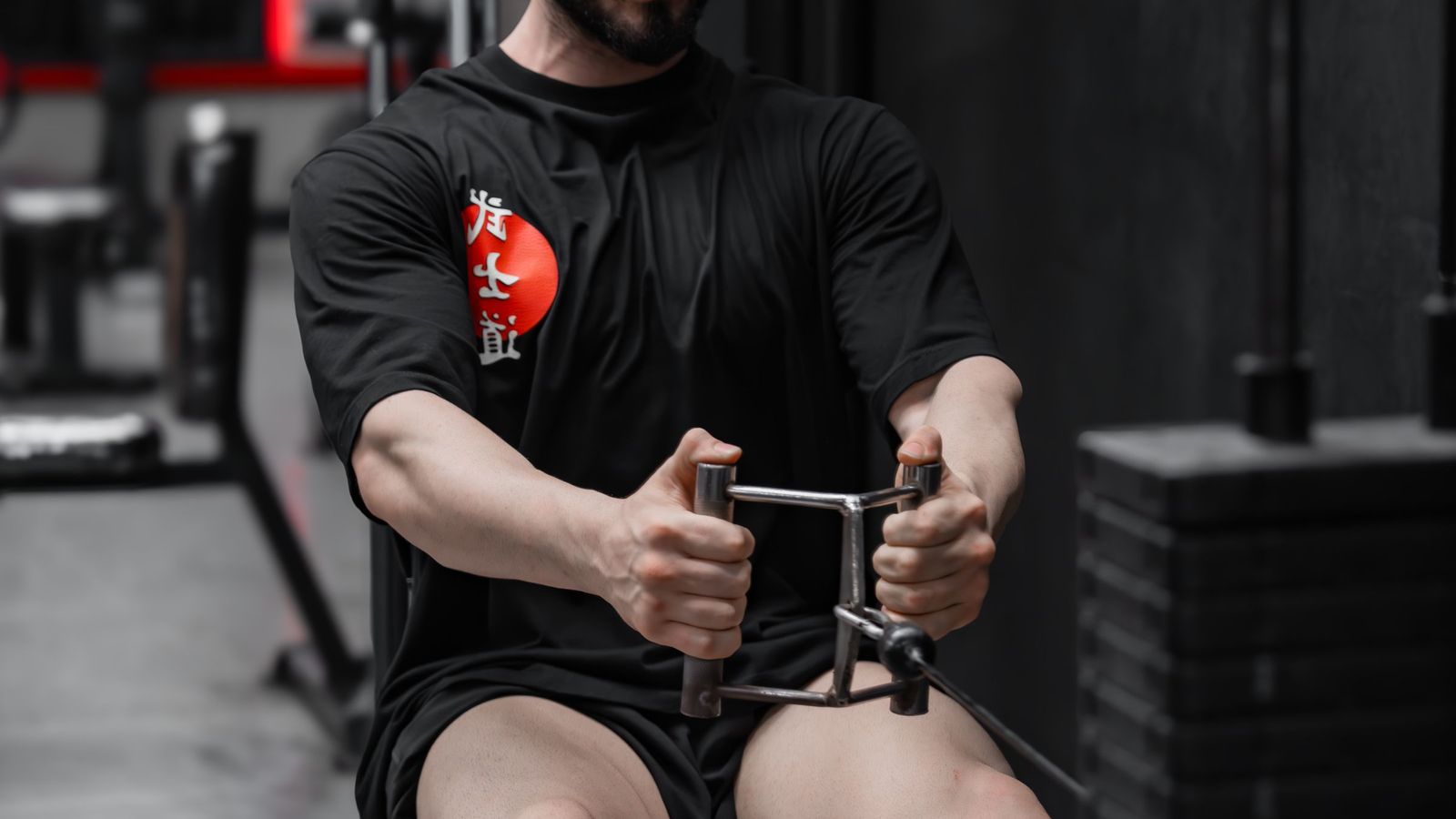
A balanced plan includes two or three strength sessions focusing on legs, hips, back and core, plus brisk walking or cycling on other days. Squats, lunges, hip hinges, rows and presses cover the whole body. Strength work helps shape the legs and hips, which often matter for fit.
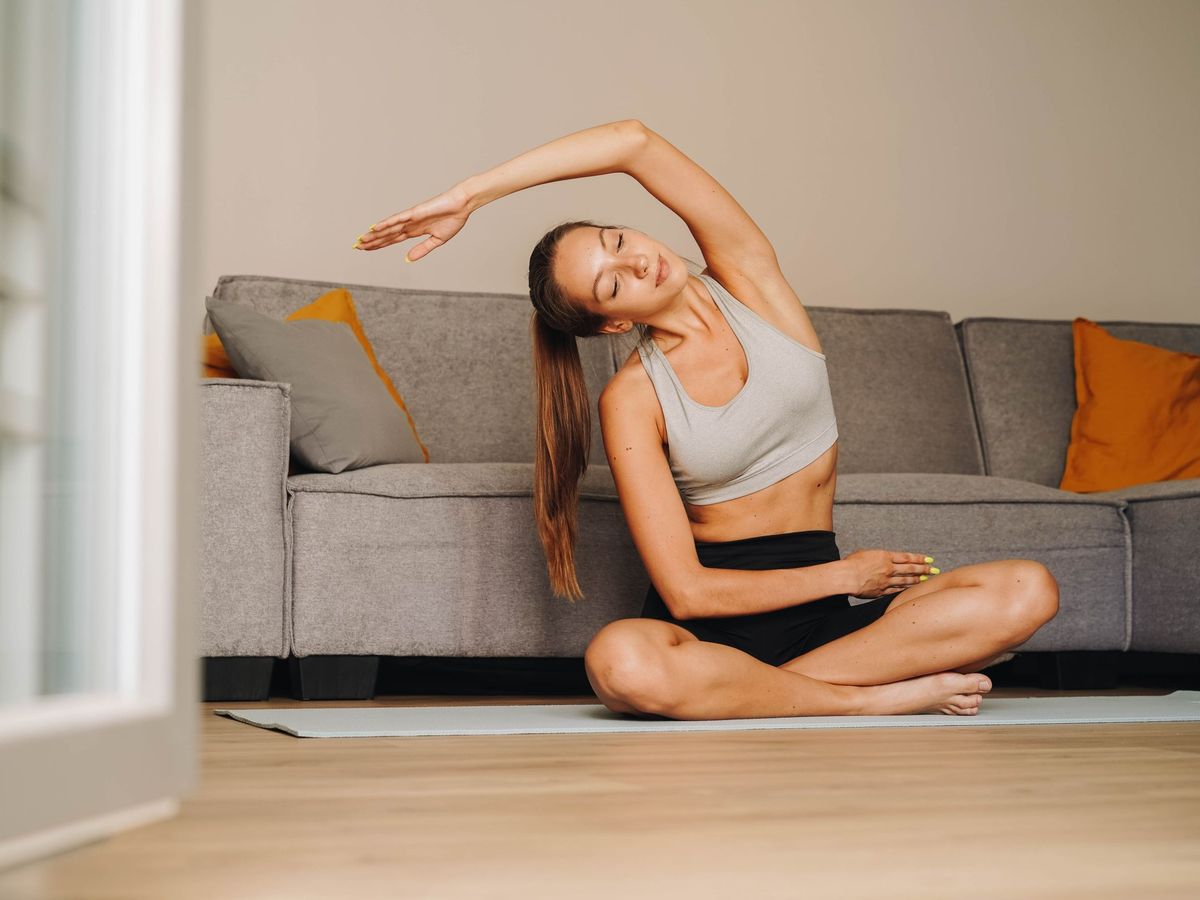
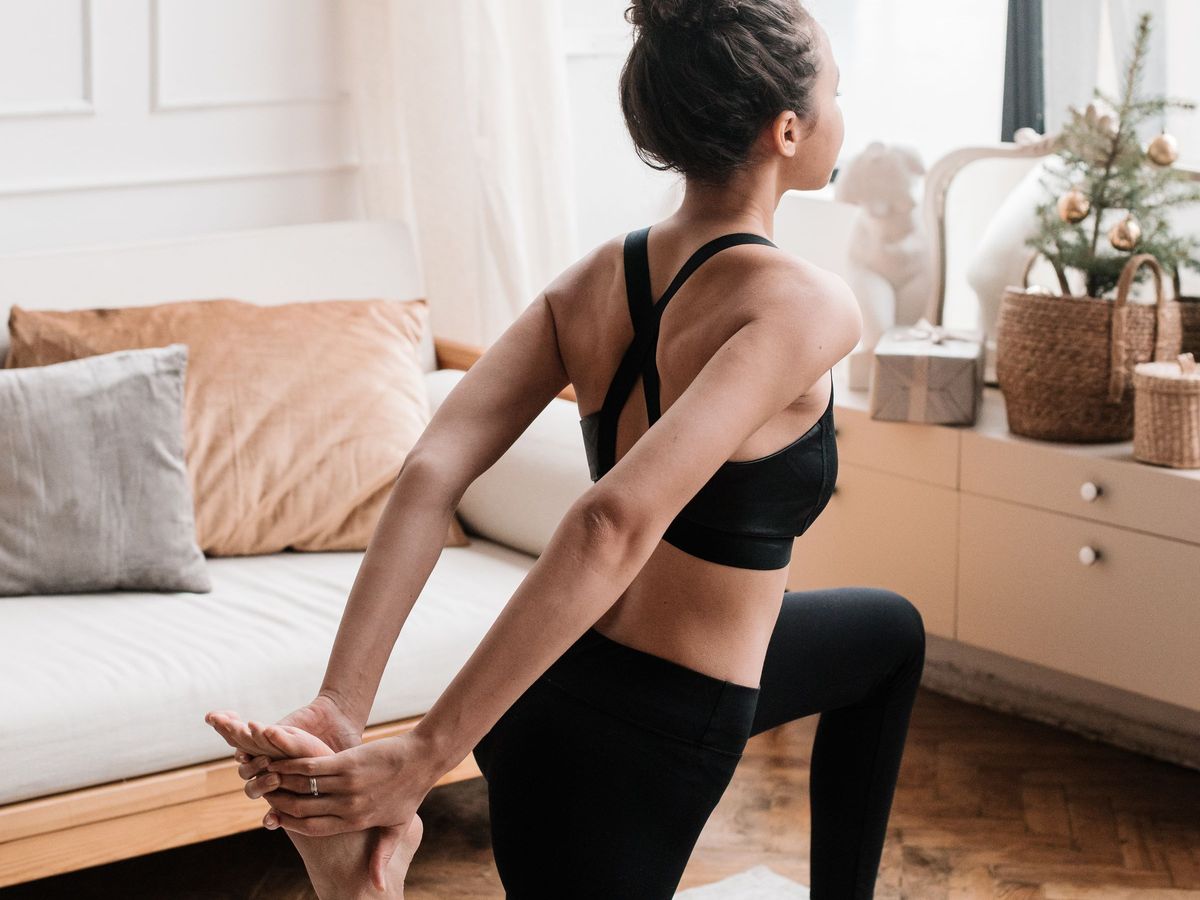
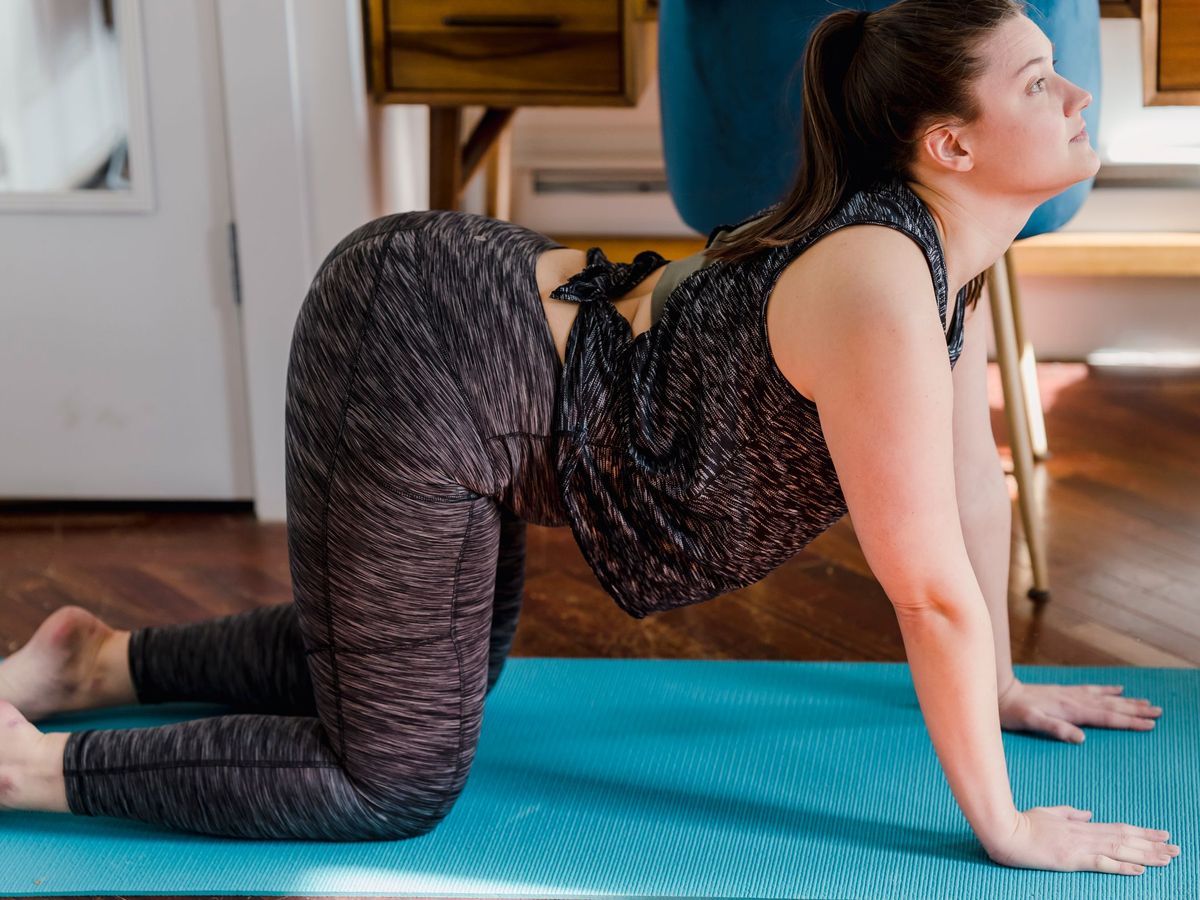
Increase the difficulty gradually. Our guide to fitness programs helps you choose a structure. Include rest days, and consider easy stretching for comfort.
Staying Motivated Throughout the Challenge
Motivation fluctuates. Pair training with something enjoyable such as music or a podcast, schedule sessions like appointments and tell a friend what you are doing. Celebrate non-scale wins, for example climbing stairs more easily or lifting a heavier weight.
When a week goes badly, do not abandon the plan. Return to the next scheduled session and keep going. More articles to support this are in our magazine blog.
Success Stories and Lessons Learned
We do not publish invented stories, so there are no individual results to quote here. What can be said in general is that people who sustain progress tend to share a few habits: they start small, track simple measures, plan for setbacks and keep going after the challenge ends.
The key lessons are patience, consistency and kindness to yourself. If you want a place-related page for reference, see the location notes on this site.
Frequently asked questions
How much weight can I expect to lose on the jeans challenge?
It varies by person and cannot be promised. A steady pace of around half a kilogram a week or a bit more is regarded as sensible for many adults. Waist measurements may change even when the scale moves little.
Do I need a gym membership to participate?
No. Walking, bodyweight exercises, resistance bands and a pair of dumbbells at home can deliver everything the challenge needs. A gym is optional and only useful if you enjoy it.
What happens after the challenge ends?
Keep the habits that worked and set a new goal, such as maintaining your weight or improving strength. Many people lose progress when they return fully to old routines. Plan the next phase before the challenge finishes.