If I Could Only Do One Exercise: The Prowler
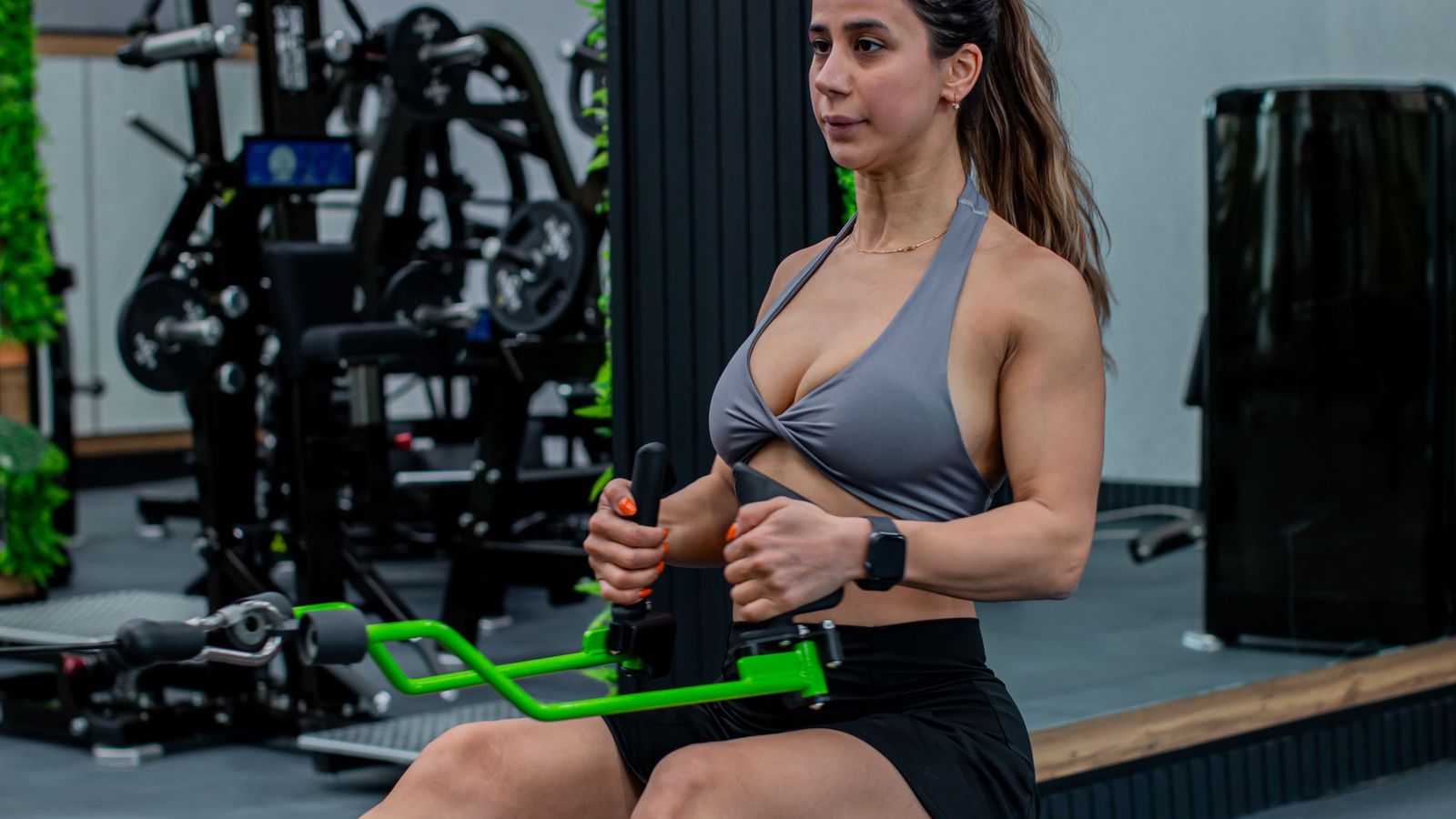
If you could pick only one exercise to improve overall fitness, there are several reasonable candidates, and the prowler is a strong argument. Prowler pushing is simple, hard to do badly and demanding in the best way. This article is an editorial case for the exercise, with guidance on loading, safety and alternatives. It reflects general training principles and not personal claims. Browse other topics on the magazine home page.
What Is the Prowler and How Does It Work?
A prowler is a low metal sled with upright posts that you push across a floor or turf. You add weight plates to the frame and drive the sled forward using your legs and arms. Because it moves along the ground, there is no lowering phase, which means very little muscle damage and soreness compared with lifting and lowering a barbell.
The work is done mainly by the quads, glutes, calves and hip muscles, with the core, shoulders and arms bracing the body. The prowler exercise trains strength and conditioning at the same time, since heavier pushes are slow and powerful while lighter pushes quickly raise heart rate.
Benefits of Prowler Training for All Fitness Levels
Pushing is a natural movement that most people can learn in minutes. It builds leg drive, trains hip extension and develops work capacity. As it is mostly concentric, many people recover well from it, so it can be added to a week without ruining other training.
It also scales. A beginner can push the empty sled for short distances, while an experienced athlete can load it heavily or push for longer intervals. The mental side matters too: finishing a hard push builds persistence that carries over to other work.
How to Set Up and Use a Prowler Safely
Choose a flat, clear surface with good traction and enough length, ideally fifteen to thirty metres. Wear flat, grippy shoes. Load the plates evenly and secure them. Start with a light load to find your rhythm.
For a high push, grip the upper posts, arms nearly straight and body leaning forward at about forty-five degrees, driving with short powerful steps. For a low push, grip the lower posts with a flatter torso and a more bent knee. Keep the back neutral, breathe steadily and do not let the lower back sag. Stop if you feel sharp pain or dizziness.
Prowler Workouts for Strength and Conditioning
For strength, use a heavy load and push for ten to twenty metres, resting about two minutes between efforts, for five to eight pushes. For conditioning, use a moderate load for twenty to thirty metres with a short rest, for example thirty to sixty seconds, over six to ten rounds.
A simple finisher is pushing out and walking back for five to ten minutes. Alternating high and low grips changes the emphasis. Always warm up first with light cardio and bodyweight squats and lunges.
Incorporating the Prowler into Your Routine
Use it once or twice per week, either at the end of a strength session or as its own short workout. It pairs well with upper-body days, since the main load is on the legs but fatigue is manageable. Avoid doing a hard session right before heavy squats or deadlifts.
Progress by adding a little weight, an extra push or a shorter rest, but not all at once. Keep a log, as with any exercise. Our fitness programs overview shows how to fit it into a weekly plan.
Common Mistakes and How to Avoid Them
Typical errors include loading too heavily so that form collapses, standing too upright and losing drive, taking very long strides, and starting with no warm-up. Others are holding the breath and rounding the shoulders.
Use a weight that lets you move at a steady pace for the full distance. Short, strong steps with a firm foot strike almost always work better than long reaching ones. If one leg is clearly weaker, notice it and add single-leg work elsewhere.
Prowler vs. Other Conditioning Tools
Compared with running, the sled is gentler on the joints because impact is low. Compared with rowing machines and bikes, it uses more of the whole body in a weight-bearing pattern. Kettlebell swings, battle ropes and farmer carries offer other excellent options.
No single tool is perfect, so variety is sensible. The sled stands out for its simplicity, safety margin and strong training effect. If you have joint concerns or a medical condition, check with a doctor first, and send site questions through the contact page.
Frequently asked questions
Is the prowler suitable for beginners?
Yes, with an empty or lightly loaded sled and short distances. The movement is easy to learn and low risk when done on a good surface. Increase the load gradually as technique improves.
How much weight should I use on the prowler?
Use a load that lets you keep good posture and steady steps for the planned distance. For conditioning, it should feel challenging but allow you to repeat rounds. Strength pushes can be heavier and slower, with longer rests.
Can I do prowler workouts at home?
Only if you have a sled and a suitable surface such as smooth turf or a long driveway. Without one, similar effects come from hill sprints, heavy carries, step-ups and wall-supported leg drives. Make sure any space is safe and clear.