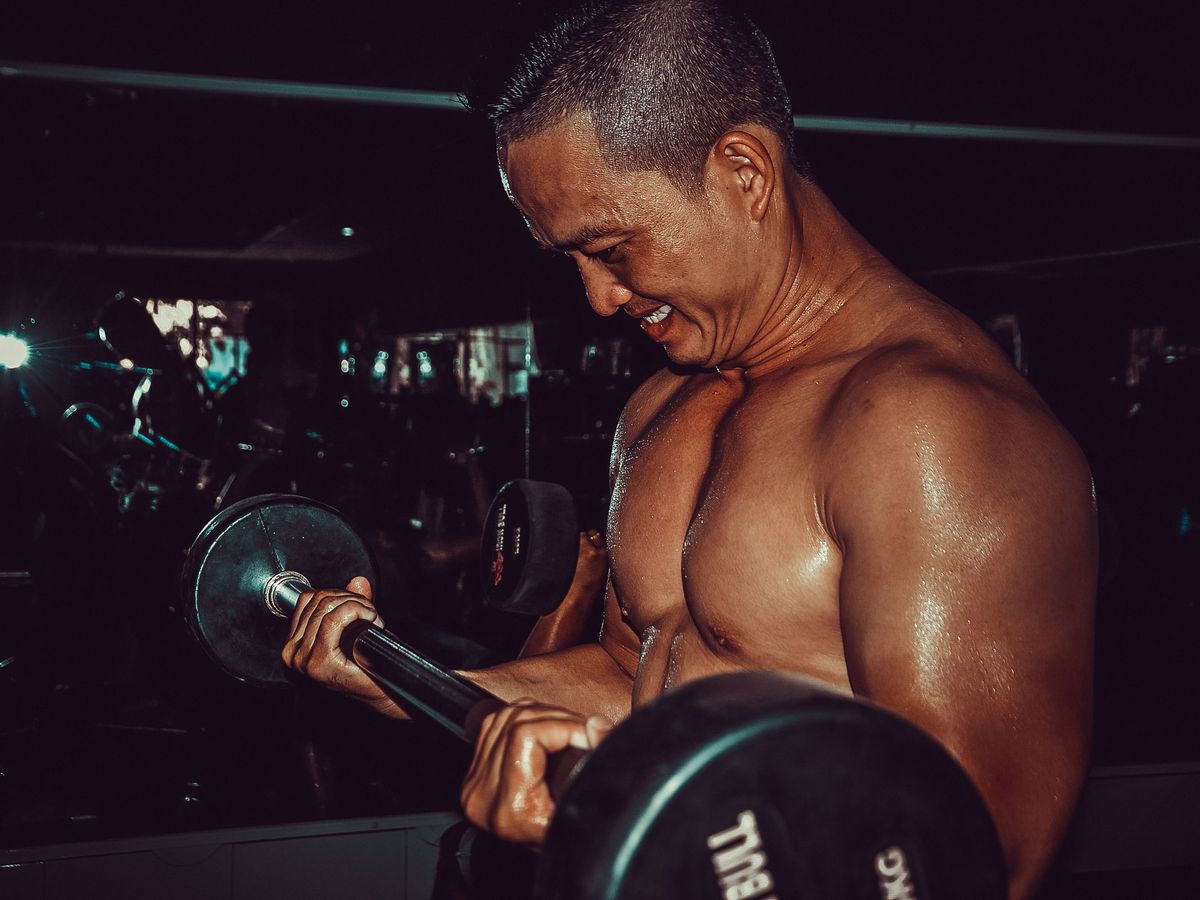
Post Workout Nutrition: Fresh Fitness Food
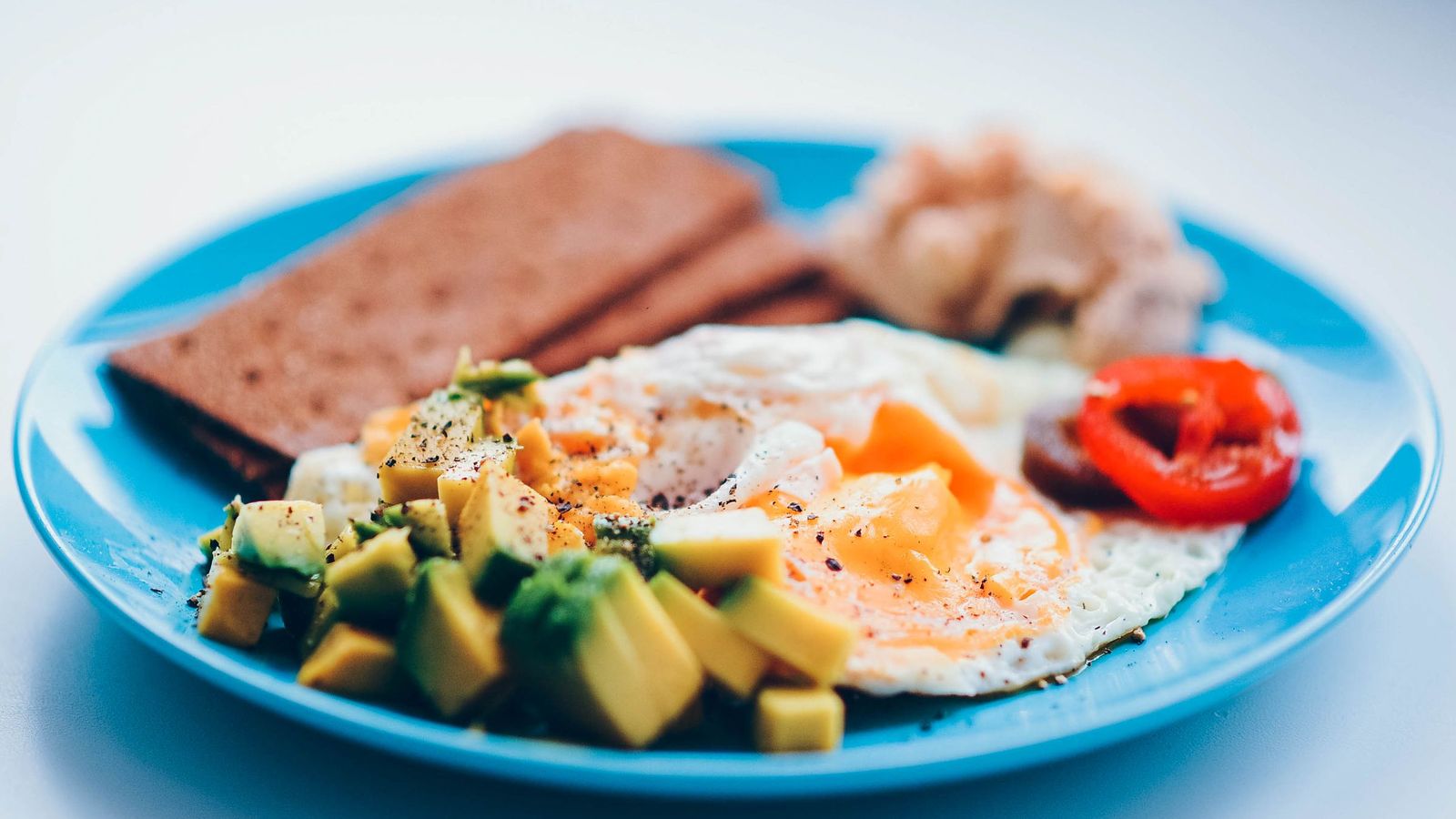
Finishing a workout is only half of the job; what you eat afterwards helps your body repair, refuel and get ready for the next session. Post workout nutrition does not need to be complicated, but a few principles make it much more effective. This guide covers why it matters, which nutrients to focus on, simple meal ideas and some planning habits for recovery meals. For more nutrition articles, see the W10 Performance home page.
The Importance of Post-Workout Nutrition
Exercise uses stored energy and creates small amounts of muscle damage that the body repairs during recovery. Eating after training provides the raw materials for that process: protein for repair, carbohydrate to refill energy stores and fluids to replace what you lost in sweat. How much it matters depends on your training. If you train hard once a day and eat regularly, your overall daily intake matters more than a precise timing.
It matters more when you train twice a day, train fasted, or have limited time between sessions. In these cases a prompt meal helps you perform better next time.
Macronutrients for Recovery
Protein supplies amino acids that muscles use for repair and growth. A commonly used target for a recovery meal is a moderate portion, such as 20 to 40 grams, from foods like eggs, fish, poultry, dairy, tofu or legumes. You can estimate your daily needs with our protein intake calculator.
Carbohydrates restore glycogen, the energy store in muscles and the liver. Rice, potatoes, oats, fruit, bread and pasta all work. Fats are not harmful after a workout but slow digestion, so keep them moderate if you need a quick snack. Vegetables add vitamins, minerals and fibre.
Quick and Easy Meal Ideas
Simple recovery meals can be put together in minutes. Try Greek yoghurt with fruit and oats, scrambled eggs on wholegrain toast with tomatoes, a chicken or tofu wrap with salad, a tuna and rice bowl with vegetables, or a smoothie of milk, banana and a spoon of nut butter. Cottage cheese with fruit and a handful of nuts makes an easy snack.
If your appetite is low after training, choose liquid or soft options such as a smoothie or soup, then eat a fuller meal later. Choose foods you enjoy, since you are more likely to eat them regularly.
Meal Prep Strategies
Preparation removes the temptation to skip eating. Cook a batch of grains, a tray of roasted vegetables and a protein source at the start of the week, and store them in containers. Combine them differently each day with new sauces or spices. Keep convenient items in your bag, such as fruit, nuts or a sealed yoghurt.
Store food safely: cool it quickly, refrigerate in airtight containers and consume within about three to four days, or freeze portions. These habits make fresh fitness food a routine, not an effort.
Hydration and Electrolytes
Sweat contains water and electrolytes, mainly sodium and smaller amounts of potassium, magnesium and calcium. For most sessions of an hour or less, drinking water and eating a normal meal is enough. After long or very sweaty sessions, you may benefit from a drink with some salt, or from salty foods and fruit.
A practical check is the colour of your urine: pale straw colour usually indicates good hydration. Do not force large amounts of water at once. People with kidney, heart or other medical conditions should follow their doctor's advice on fluids.
Supplements for Recovery
Most people can meet their needs from food. Protein powder is convenient but not essential. Creatine monohydrate is one of the most widely studied sports supplements, though it is optional and not suitable for everyone. Omega-3s, vitamin D and others may be recommended when blood tests show a need.
Treat supplements as an addition to a solid diet, not a replacement. Check with a doctor or a registered dietitian before you start, especially if you take medication or have a health condition. If you have questions, write to us through the contact page.
Frequently asked questions
What should I eat after a workout?
Aim for a meal that combines protein and carbohydrate, with some vegetables and fluids. Examples include eggs with toast, a chicken and rice bowl or yoghurt with fruit and oats. Pick foods you tolerate well.
How soon after training should I eat?
Many people aim to eat within a couple of hours, and sooner if they will train again the same day. If you had a meal before training, there is no need to rush. Total daily intake matters more than exact timing.
Do I need protein shakes?
No, they are a convenience rather than a requirement. If you can meet your protein target with ordinary food, shakes are unnecessary. They can help when appetite is low or time is short.