Body Weight vs Weight Training: Which Is Best?
Few debates in fitness are as persistent as bodyweight versus weights. One camp says that push-ups, squats and pull-ups are all you need, the other insists that barbells and dumbbells are the only way to progress. The truth is that both approaches work, and the better choice depends on your goal, your experience, your space and your preferences. This guide compares bodyweight vs weights for muscle, fat loss and general fitness. More guides are on the W10 Performance home page.
Benefits of Bodyweight Training
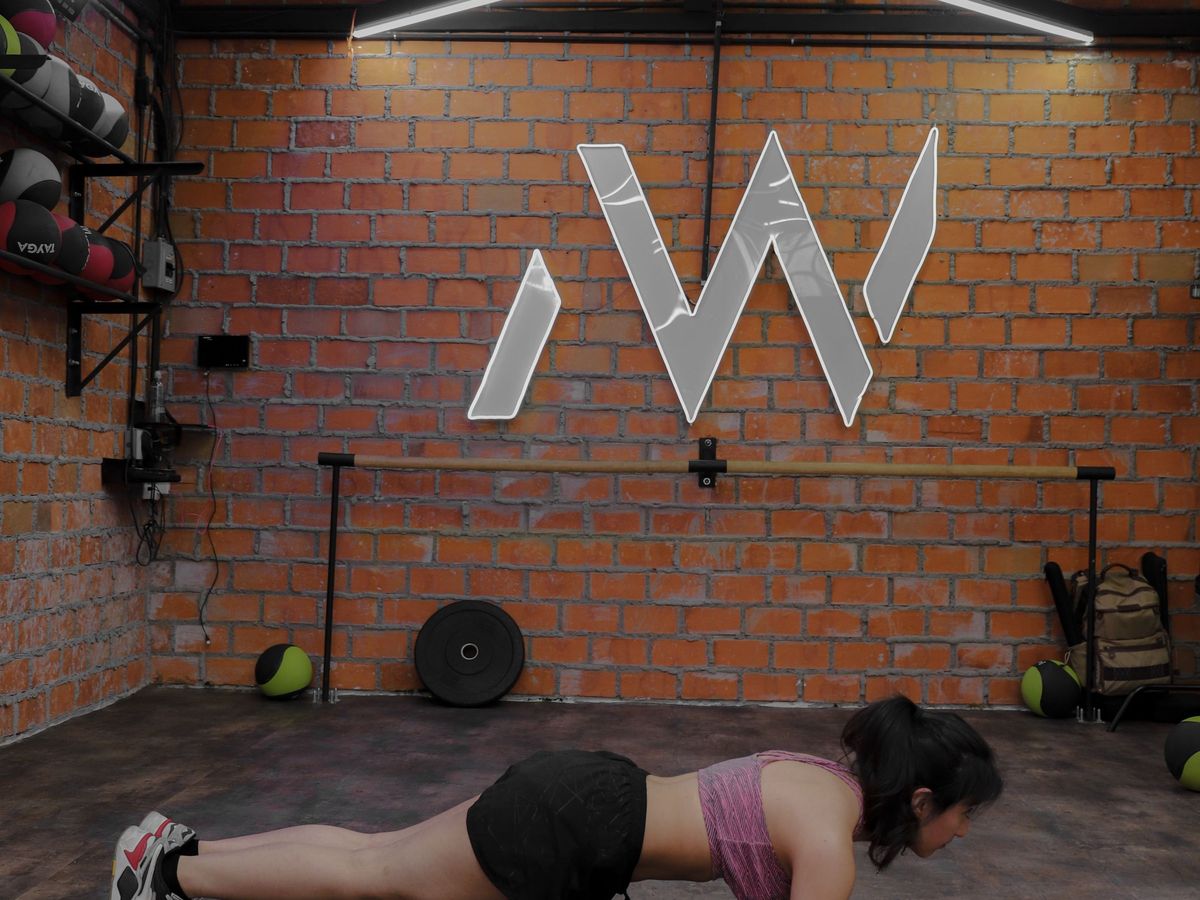
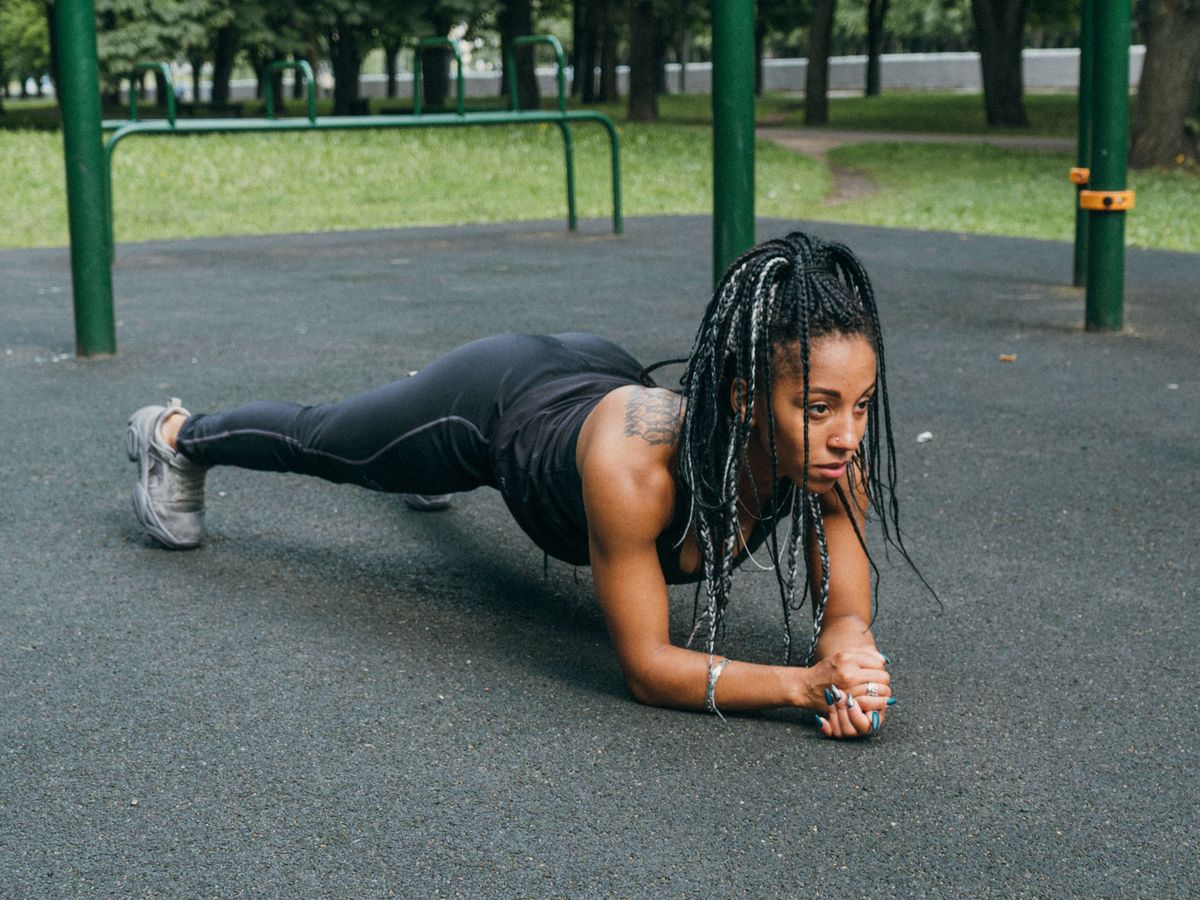
Body weight training needs little or no equipment, can be done almost anywhere and teaches body control. Exercises such as squats, lunges, push-ups, planks and pull-ups develop coordination, mobility and relative strength, meaning how strong you are for your size. Because the loads are lower at the start, it is a gentle way to learn movement patterns.
Bodyweight work is also easy to scale. You can change leverage, tempo, range of motion and unilateral variations to make an exercise harder or easier. The main limitation is that some movements, especially for the legs, become too easy before you are strong enough to need other tools.
Benefits of Weight Training
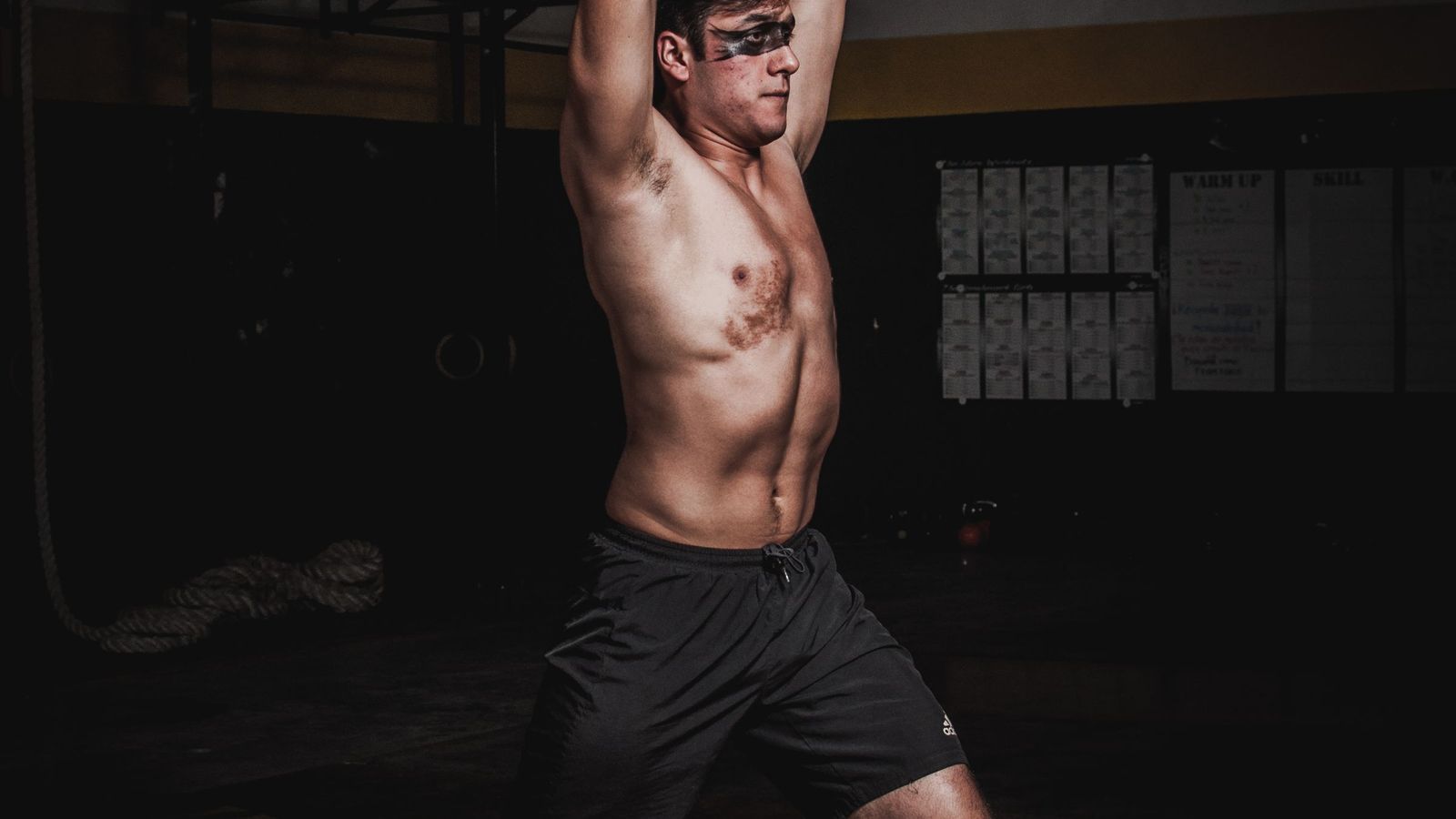
Weight training makes it simple to measure and increase load in small steps, which is the heart of progressive overload. Barbells, dumbbells, kettlebells and machines let you target specific muscles and keep working in a rep range that suits your goal, even as you become stronger.
Lifting weights also allows heavy leg and hip training, which is hard to match with bodyweight alone. It is useful for bone health and for building strength that carries over into daily tasks. The drawbacks are access to equipment and the need to learn technique carefully.
Which Is Better for Fat Loss?
Fat loss depends mostly on a sustained energy deficit, and both methods can support it. Resistance training, whether with weights or bodyweight, helps keep muscle while you lose fat, which matters for strength and appearance. The best choice for bodyweight vs weights for fat loss is the one you will actually do three or four times per week.
Circuits made of bodyweight movements can raise heart rate and be time efficient, whereas weights allow heavier, more demanding sets. Combine either with daily walking and sensible eating. No exercise targets fat in one area of the body.
Which Is Better for Muscle Gain?
Muscle grows when it is challenged close to its limits, repeatedly, with enough food and rest. Beginners can gain muscle from either method. Over time, weights are easier to progress because you can increase load in small increments. Advanced trainees using only bodyweight need harder variations, such as single-leg squats or archer push-ups, to keep progressing.
If your goal is substantial size, weights usually offer a more direct route. To check your protein intake for muscle gain, try the protein intake calculator.
Combining Both Methods
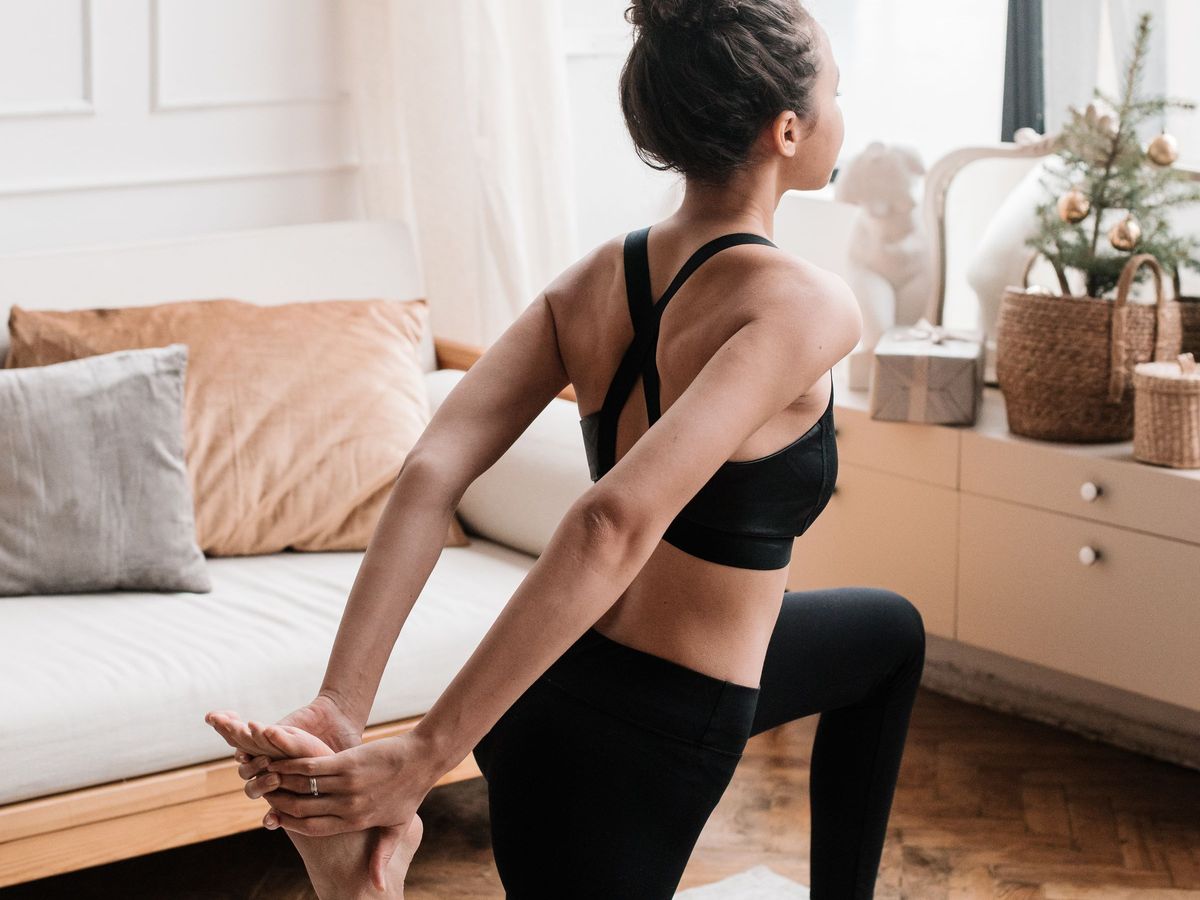
You do not have to choose. A strong approach is to use weights for the heavy lower-body and pulling work, and bodyweight exercises for push-ups, core, mobility and conditioning. Training at home during busy weeks with bodyweight and in a gym with weights when possible keeps you consistent.
Think of the two as tools in one toolbox. Use progressions in bodyweight skills, such as pull-ups and dips, alongside progressive loading in squats and hinges.
Sample Workouts for Each
A bodyweight session might include three rounds of 10 to 15 squats, 8 to 12 push-ups, 10 reverse lunges per leg, 20-second planks and 8 inverted rows or band rows. Rest one minute between exercises.
A weights session might include 3 sets of 6 to 10 goblet or barbell squats, 3 sets of 8 dumbbell presses, 3 sets of 8 to 12 rows, 3 sets of 8 Romanian deadlifts and a loaded carry. Choose a weight that leaves two or three repetitions in reserve. See a doctor before beginning if you have an injury or health condition, and send questions through the contact page.
Frequently asked questions
Can you build muscle with bodyweight exercises?
Yes, particularly as a beginner or intermediate trainee. Use harder variations, slower tempos and sets taken close to fatigue. Progress will eventually require more difficult progressions.
Is weight training better than bodyweight?
Weights are easier to load progressively and good for heavy leg work, but bodyweight training is excellent for skill, convenience and control. Neither is universally better. The best option is the one that suits your goal and that you can keep doing.
How do I combine bodyweight and weights?
Use weights for squat, hinge and row patterns, and bodyweight for push-ups, pull-ups, core and mobility. Alternate according to location and time. Keep a single log so that you can see progress in both.