500,000m of Rowing in 30 Days
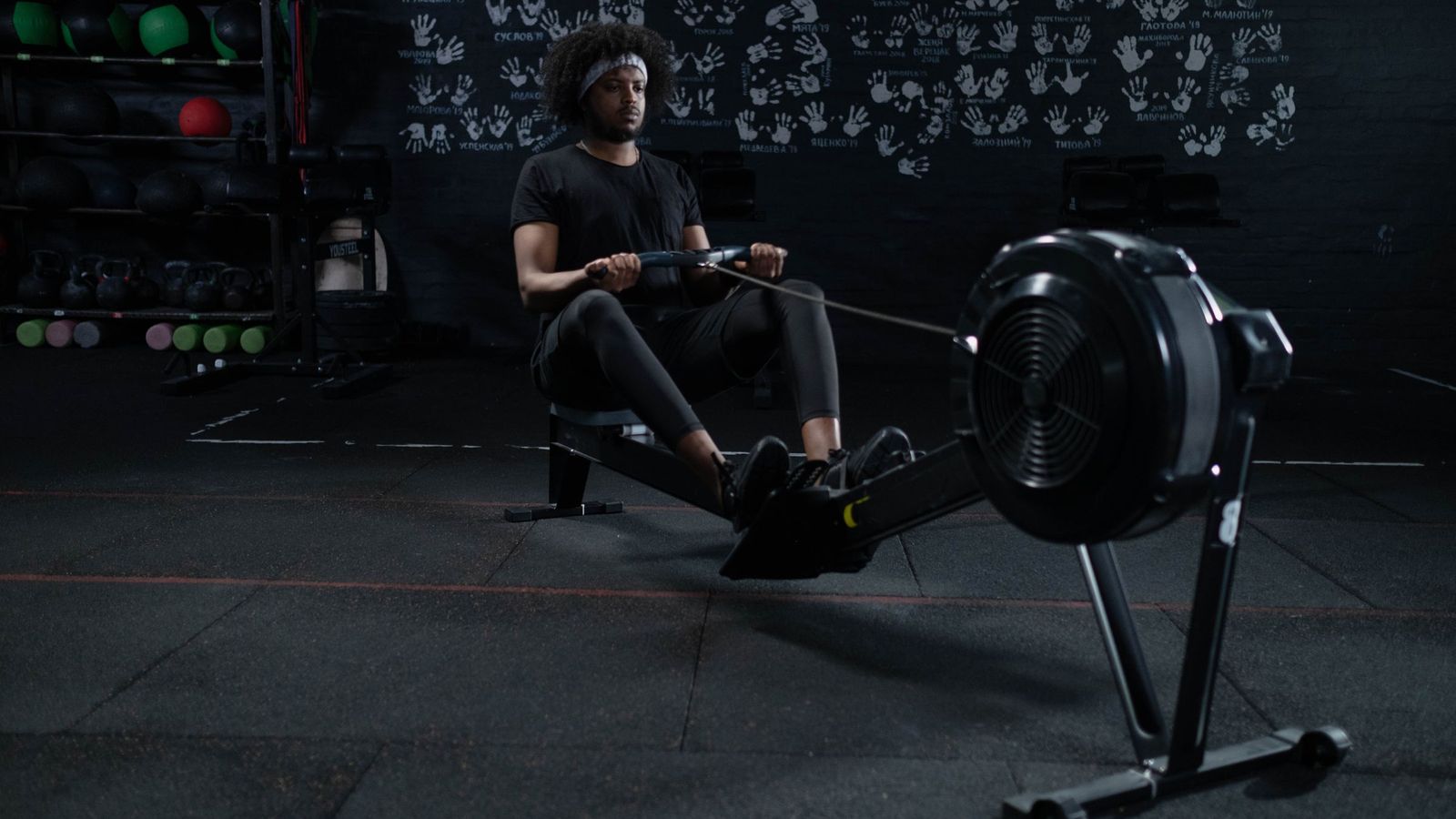
A rowing challenge of 500,000 metres in 30 days is a large endurance goal, and it deserves careful thought before anyone sets a handle in their hand. This guide is editorial: it explains how such a challenge is structured, how an experienced rower might prepare for it, and where the risks lie. It does not describe anyone's personal attempt. For more training ideas, visit the W10 Performance home page.
The Challenge Explained
The rowing challenge is simple on paper: accumulate 500,000 metres on an indoor rowing machine over a 30-day period. Divided evenly, that is about 16,700 metres per day, or roughly 17 kilometres. If you take rest days, the daily distance rises. At a moderate steady pace most people would spend somewhere between one and two hours a day on the machine, depending on fitness and pace. Rowing a long distance in 30 days is a 500000m rowing challenge that rewards steady pacing more than speed.
That is a big commitment of time and of tissue tolerance. Hands, lower back, hips and forearms all take repeated load. The challenge is not suitable for beginners, and anyone considering a rowing challenge of this size should have a solid aerobic base and a doctor's clearance first.
Preparing for the Challenge
Preparation starts weeks or months ahead. Build a base by rowing three or four times weekly, gradually lengthening the longest session. A common approach is to increase total weekly distance by no more than about ten percent, which gives tissues time to adapt. Include some easy steady sessions, since most of the challenge will be done at a conversational pace.
Practise your technique when fresh, and again when tired. Prepare your equipment: a well-maintained machine, a comfortable seat, appropriate clothing, a water bottle and a fan or cooling. Plan your calendar so that long sessions fit around work and sleep.
Daily Rowing Schedule
A sample structure for a well-prepared rower is to split the daily distance into two or three blocks, for example one in the morning, one at midday and one in the evening. Splitting reduces the continuous strain and makes the day easier to manage mentally. Keep most of the metres at an easy effort where you can speak in short sentences.
Plan one lighter day each week, and consider two. Missing a day should not trigger a panicked double session; spread the difference across the following days. If pain appears, rather than ordinary fatigue, stop and seek advice.
Technique Tips
Rowing is a leg-driven movement. The sequence is drive with the legs, swing the torso back and finish with the arms, then reverse the order on the recovery: arms, torso, legs. The handle should travel in a straight line to the lower ribs. Keep the spine long, avoid hunching at the catch and avoid leaning too far back at the finish.
When tired, technique tends to decay, which is when injuries happen. Check your stroke rate and your posture at regular intervals, and shorten the block if form falls apart. Filming a side view occasionally is a helpful way to review.
Nutrition and Recovery
Large volumes of endurance work require plenty of energy. Eat regular meals with carbohydrate as the base, protein for repair and fats for general health, and add small snacks around sessions. Drink steadily through the day, and include salt-containing foods when you sweat heavily.
Recovery is equally important. Prioritise sleep, mobilise hips, hamstrings and upper back, care for your hands, and watch for warning signs such as persistent pain, dizziness or unusual fatigue. These are reasons to pause and speak to a doctor.
Tracking Your Progress
Record each block with its distance, average pace, stroke rate and a perceived effort rating. Keep a running total and compare it against the daily target so you can see whether you are ahead or behind. Also log sleep and soreness. These notes show when a rest day is wise, and they help you finish safely.
Lessons Learned
Because this is general guidance, here are the lessons that endurance coaches commonly emphasise for long volume challenges: start conservatively, protect sleep, keep intensity low, fuel properly and be willing to change the goal. Finishing healthy is worth more than finishing at any cost. Send us questions through the contact page.
Frequently asked questions
Is rowing 500,000 meters in 30 days safe?
It is a very high volume and is not safe for everyone. It requires a strong training base, careful pacing and medical clearance, especially if you have joint, back or heart concerns. Stop if you feel pain that is more than ordinary tiredness.
How long does it take to row 500,000 meters?
At a steady pace of around two minutes per 500 metres, the total is roughly 33 hours of rowing, spread over the month. Slower paces take longer. Your own time depends on fitness, technique and how long you rest between blocks.
What are the benefits of rowing?
Rowing trains the legs, back, core and arms together, builds aerobic fitness and is low impact on the joints compared with running. It is also easy to scale for different fitness levels. Good technique is essential to enjoy these benefits.