5 Benefits of Online Personal Training
Online coaching has become a normal way to learn how to train. Instead of meeting in a gym at fixed times, you follow a programme through video, messages and shared logs. For many people the advantages of personal training delivered online are easy to see, but it is not right for everybody. This editorial guide explains five benefits of online personal training, what to look for, and how to judge whether the format suits you. Explore more topics from the W10 Performance home page.
Flexibility and Convenience
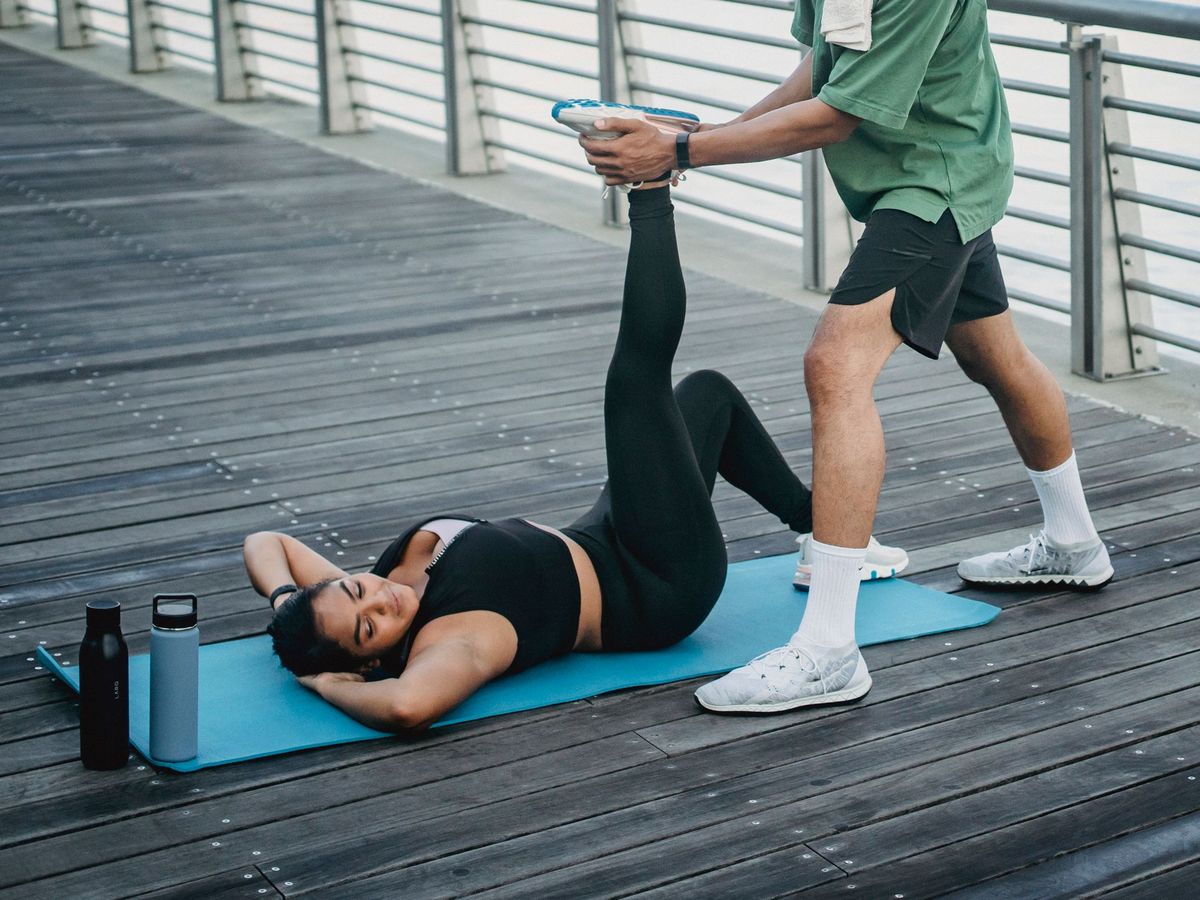
The most obvious benefit is freedom over where and when you train. Without commuting or fixed appointments, sessions can happen at home, in a park, in a hotel room or at whatever facility you already use. This is especially valuable for shift workers, parents and people who travel.
Flexibility has a downside: nobody is waiting for you. The convenience works only if you build a routine, for example by setting recurring times in your calendar and preparing equipment in advance.
Access to Expert Coaches
Online formats remove geographic limits, so you can learn from qualified coaches who may not be near you. When you evaluate a coach, look for recognised qualifications, a clear explanation of their method, an honest description of who they work with, and a willingness to say no when something is outside their scope.
A good coach asks about your history, injuries, schedule and preferences before writing anything. If someone offers an identical template to everyone, treat that as a warning sign. People with health conditions should talk to a doctor before beginning any programme.
Cost-Effectiveness
Many people find remote coaching more economical than in-person sessions, because there are fewer overheads and less travel, and because you can often use equipment you already own. Rather than comparing figures, compare what is included: how much personalised feedback, how often the plan is updated, and what kind of support you can expect between check-ins.
Value is also about outcome. A programme that you follow consistently for months is better value than a cheaper option you abandon after a fortnight. This magazine does not list any services or rates, so use the questions in this guide when you review providers yourself.
Personalized Programming
A major strength of online personal training is individual design. A coach can adapt exercise choices to your equipment, time and ability, and update the plan as you progress. Good programming considers your goals, training age, recovery, and life stress, and increases demands gradually through progressive overload.
Ask how the plan changes when you miss a week, feel sore or travel. Flexible, well-thought-out answers suggest a coach who treats the plan as a living document.
Accountability and Support
Regular check-ins create a sense of responsibility. Sharing your training log, sending short videos for technique review and receiving feedback keeps you engaged. Support should also include encouragement when things go wrong, not only correction.
Accountability works best when expectations are clear: how often you report, how quickly you receive answers and what happens if you fall behind. Clarity on both sides prevents frustration.
Technology Integration
Online coaching uses video, messaging, training logs and wearable data to make training visible. Video lets a coach review your form, logs reveal trends in volume and effort, and simple heart rate or step data can inform recovery decisions. Technology is a tool, not a replacement for judgement. Too many metrics can distract, so choose only those that change your decisions.
Protect your privacy too: share only what you are comfortable with, read how data is stored and avoid sending sensitive information through unsecured channels. If you have questions about the topic, visit our contact page.
Frequently asked questions
Is online personal training effective?
It can be, particularly when the coach provides individual feedback and you follow the plan consistently. Effectiveness depends on the quality of programming, your communication and your effort. It may be less suitable for complete beginners who need hands-on correction of technique.
How much does online personal training cost?
This magazine does not publish or compare rates, since they vary widely between coaches and regions. When comparing options, ask what is included, how often the plan is updated and how feedback works. Decide on the value for you, not on the lowest figure.
What equipment do I need for online training?
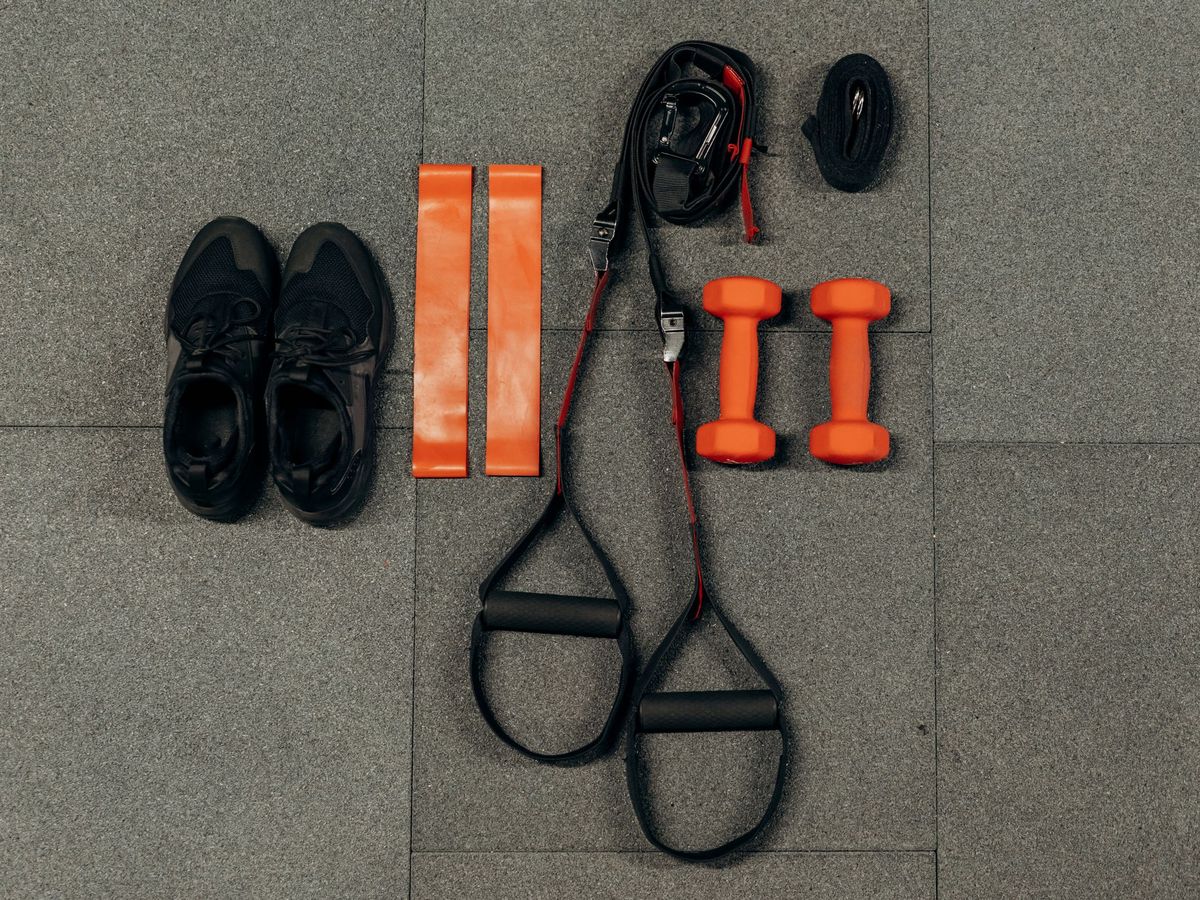
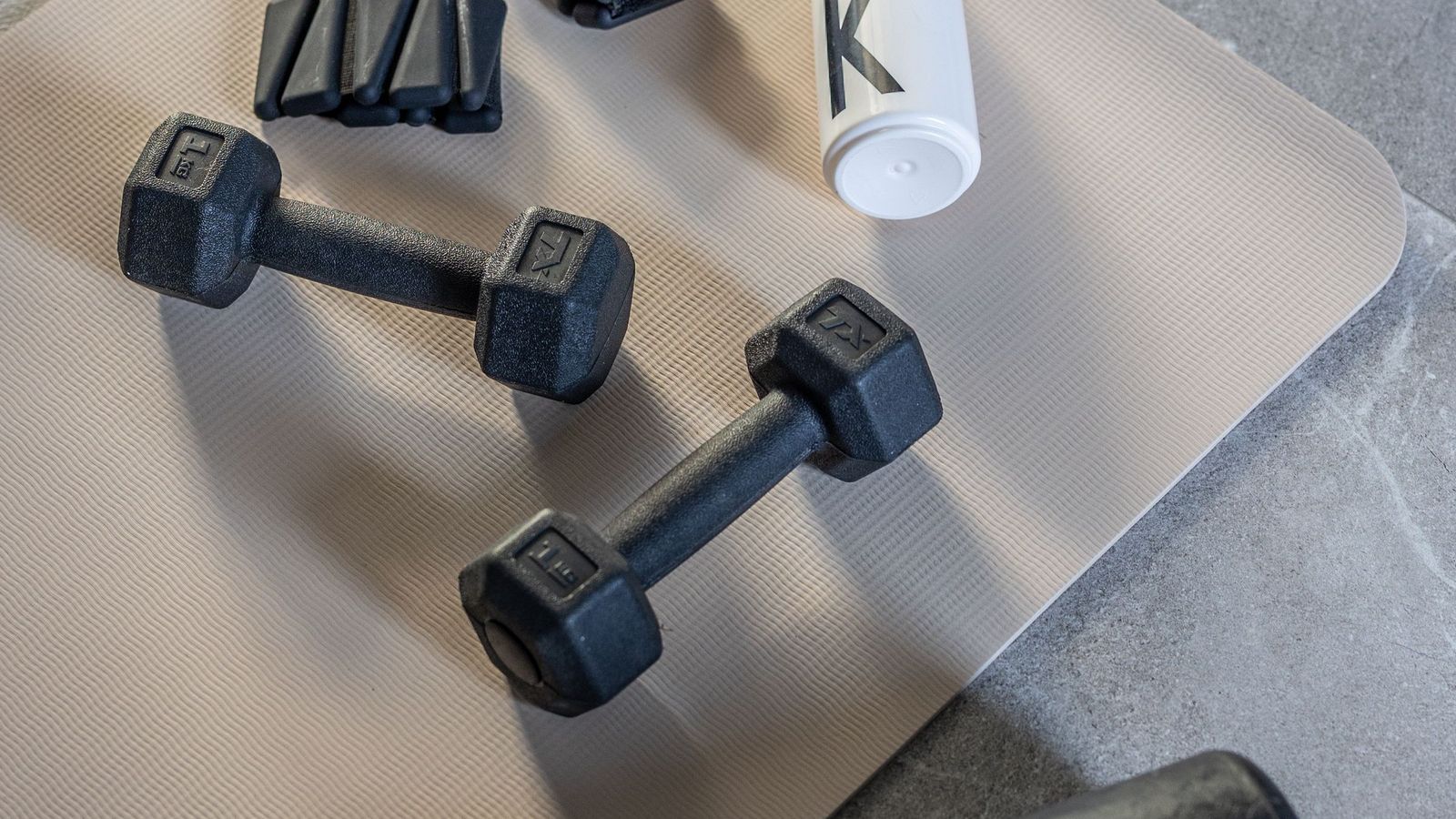
That depends on the programme. Many plans start with bodyweight exercises and a few inexpensive items such as resistance bands or a pair of dumbbells. A reliable device for video and a space to move safely are the main requirements.