Vegetarian Friendly Recipe for Athletes
Vegetarian athlete recipes have a reputation for being either bland or complicated, and neither is true. A well-planned vegetarian diet can supply everything a training body needs, including plenty of protein, as long as you know where to find it and how to combine it. This guide walks through protein sources, high protein vegetarian meals, macronutrient balance and practical meal prep, with a recipe-style approach you can adapt. For more nutrition guides, start from the W10 Performance home page.
Protein Sources for Vegetarian Athletes
Vegetarians who include dairy and eggs have easy options: Greek yoghurt, cottage cheese, milk, eggs and whey-based products. Plant sources are just as useful: lentils, chickpeas, beans, tofu, tempeh, edamame, seitan, nuts, seeds and whole grains such as quinoa and oats. Soy products are notable because they provide a complete amino acid profile on their own.
Most plant proteins are lower in one or two essential amino acids, but eating a variety across the day, such as beans with rice or hummus with wholegrain bread, covers the gaps. There is no need to combine them at every single meal.
Sample High-Protein Vegetarian Meals
Breakfast can be a bowl of Greek yoghurt with oats, berries and pumpkin seeds, or a vegetable omelette with wholegrain toast. For plant-based mornings, try a tofu scramble with spinach and peppers. Lunch might be a lentil and roasted vegetable salad with feta, or a chickpea and quinoa bowl dressed with lemon and olive oil.
Dinner ideas include a tempeh stir-fry with brown rice and broccoli, bean chilli with a side of greens, or baked tofu with sweet potato and a tahini sauce. Snacks such as cottage cheese with fruit, a handful of nuts, edamame or a smoothie made with milk or soy milk and a spoon of nut butter keep the intake steady.
Balancing Macronutrients
Protein is only one part of the plate. Carbohydrates fuel training and recovery, and fats support hormones and absorption of some vitamins. A flexible template is to build each main meal with a palm-sized or larger protein portion, a fist or two of carbohydrate such as rice, potatoes, bread or pasta, plenty of vegetables, and a small amount of healthy fat.
A common starting point for active adults is to spread protein across three or four meals rather than eating it all at once. You can estimate your personal range with our protein intake calculator, and adjust based on appetite, training load and progress.
Meal Prep Tips
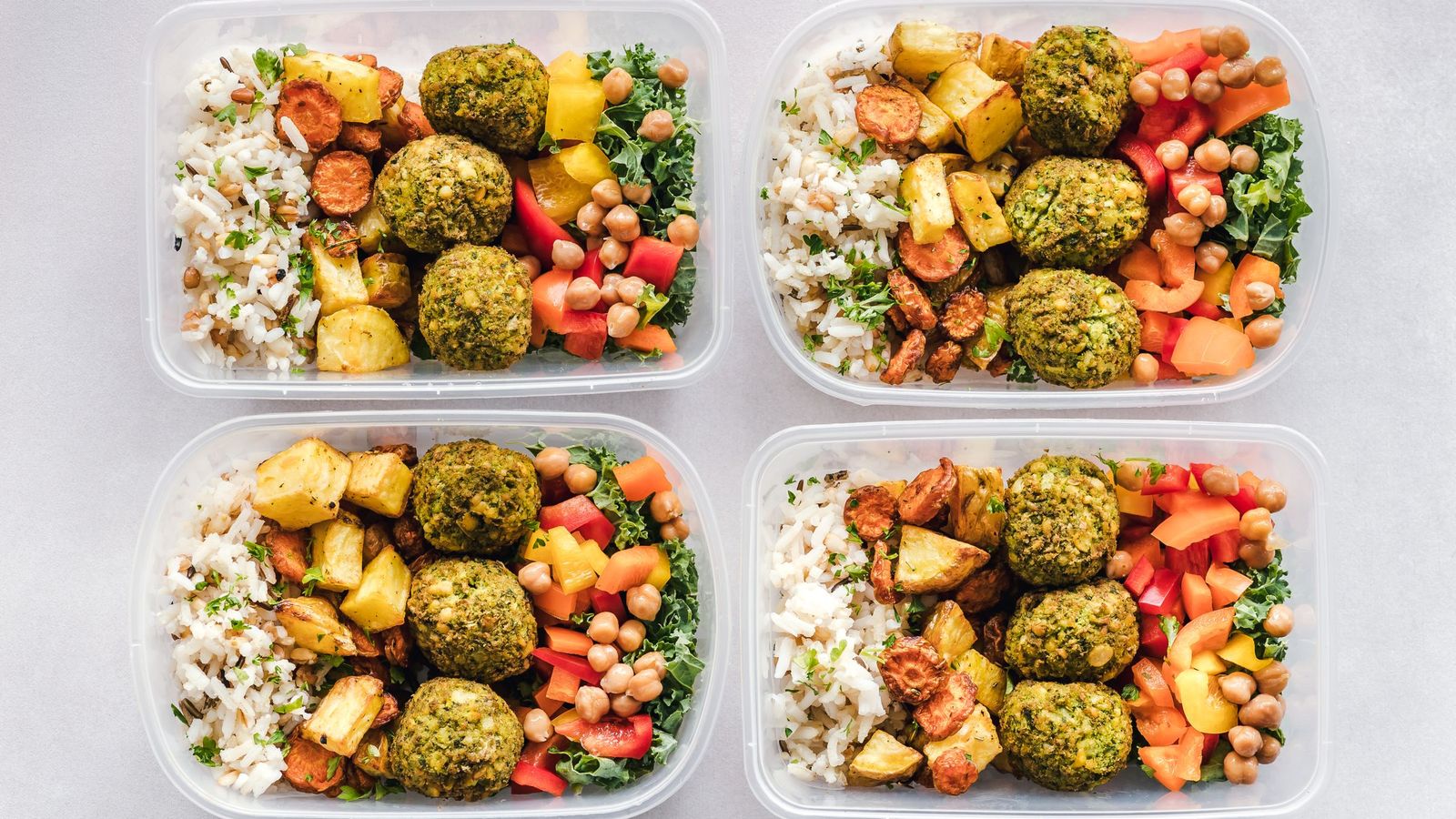
Batch cooking makes vegetarian eating simple. Cook a large pot of lentils or beans, a tray of roasted vegetables and a grain at the start of the week. Marinate tofu or tempeh in advance, and boil several eggs for quick snacks. Store food in portioned containers and keep sauces separate so that meals stay fresh.
Most cooked dishes keep well for three to four days in the fridge, and many freeze nicely. Label containers, cool food quickly before storing and reheat thoroughly. Varying spices and sauces turns the same base ingredients into several different meals and prevents boredom.
Supplements for Vegetarians
Food comes first, but some supplements are sometimes helpful. Vitamin B12 is the best known: it is found mainly in animal products, so strict vegetarians and vegans commonly need a supplement or fortified foods. Vitamin D, iron and omega-3 from algae are other nutrients people check with their doctor. A protein powder, whether whey, soy or pea, can be a convenient way to reach a daily target but is not essential.
Always speak to a doctor or a registered dietitian before starting supplements, especially if you are pregnant, have a medical condition or take medication.
Common Nutrient Deficiencies
The nutrients that deserve attention on a vegetarian diet are iron, zinc, calcium, vitamin B12, vitamin D and omega-3 fatty acids. Plant iron is absorbed better when eaten with vitamin C, so add peppers, citrus or tomatoes to bean dishes. Tea and coffee with meals can reduce absorption, so leave a gap if you are concerned.
Signs such as persistent tiredness, frequent illness or poor recovery should be discussed with a doctor, who can arrange a blood test. Do not guess. If you want to share a topic you would like covered, visit the contact page.
Frequently asked questions
Can vegetarians build muscle?
Yes. Muscle growth depends on resistance training, enough total energy and sufficient protein, all of which are achievable on a vegetarian diet. Including eggs, dairy and soy makes it easier. Consistency matters more than the diet label.
What are the best vegetarian protein sources?
Eggs, Greek yoghurt, cottage cheese, tofu, tempeh, lentils, chickpeas, beans, edamame and seitan are popular choices. Combine several through the day for a full amino acid range. Choose what you enjoy and can prepare regularly.
Do I need supplements on a vegetarian diet?
Not always, but vitamin B12 is a common one for people who avoid dairy and eggs, and vitamin D is worth checking in many regions. Protein powder is optional. A doctor or dietitian can advise you based on blood tests and your diet.